
Intro
I’ve been watching the annual Global EV Outlook from the IEA for over a decade now, and let me tell you – the 2025 edition lands differently. This isn’t just another glossy PDF packed with projections that may or may not materialise. This feels more like the final whistle on an era defined by fossil-fuelled transportation.
The IEA makes it abundantly clear: electric vehicles are no longer a curiosity. No longer a nice-to-have. No longer niche. EVs crossed the tipping point. The numbers prove it – over 20 million EVs expected to be sold globally in 2025, representing one in four new cars on the market. That’s not hype. That’s market momentum, market share, and market dominance beginning to materialise before our eyes.
And while this might read like great news for Tesla shareholders or battery manufacturers, the real story is much bigger than market dynamics. This is a climate story. A fossil fuel displacement story. A systemic disruption story. One that touches national energy security, industrial competitiveness, and yes – personal and commercial vehicle buyers wondering if they should finally make the switch.
Let’s unpack what it all means.
1. The Climate Clock Just Got a New Battery
First, let’s centre on what matters most – climate impact.
Transportation is one of the largest and fastest-growing sources of carbon emissions worldwide. The IEA’s analysis shows that by 2030, if current EV adoption trends continue, we’ll avoid the burning of over 5 million barrels of oil per day. That’s not a typo. Five. Million. Barrels. Per. Day.
For context, that’s more oil than Japan, the third-largest economy on Earth, consumes in total each day.
Half of that displacement will come from China alone. Think about that. A single market rewriting the rules of oil demand on a global scale. And it’s not some future fantasy. This is already baked into the system unless governments actively sabotage the trajectory (more on that risk later).
This isn’t just a win for climate. It’s a geopolitical reordering of energy markets. For nations dependent on oil imports, from Europe to Southeast Asia, accelerating EV adoption isn’t just good environmental policy, it’s smart energy security strategy.
2. The Death Spiral of ICE Has Begun (Even if It Doesn’t Feel Like It Yet)
Internal Combustion Engine (ICE) vehicle sales aren’t collapsing overnight, but make no mistake, the value destruction is coming. Fast.
The IEA projects that by 2030, EVs could account for 80% of new car sales in China and 60% in Europe. Even in the slower-moving U.S. market, EVs are expected to take 20% of new sales by decade’s end. These are mass-market transformations.
If you’re buying an ICE vehicle today, personal or commercial, you need to seriously consider the resale value risk. The secondary market two, five, or ten years from now could be flooded with ICE vehicles nobody wants, particularly in regions with aggressive low-emission zone policies or looming phase-outs.
We’ve seen this movie before with diesel cars in Europe. One policy shift and resale values plummet. Entire fleets devalued overnight.
But this time, the shift isn’t regulatory alone. It’s economic. EVs are already cheaper to run. They require less than half the maintenance. They outperform ICE on torque, acceleration, and driver experience. And with battery costs continuing to fall, sticker prices are inching closer to parity, already there in markets like China and parts of Southeast Asia.
If you think EV charging infrastructure is the barrier, think again. Yes, public chargers need to scale fast (nine-fold by 2030 according to the IEA), but here’s the inversion nobody’s talking about: as EVs become the default, petrol stations will become the bottleneck. Fewer ICE drivers means less revenue per pump. Margins collapse. Locations close. Who’s going to invest in keeping that fuel network alive when demand is draining away? Everyone has electricity in their home, no-one has petrol stations there.
The infrastructure flip is coming. It’s not a question of if. It’s when.
3. Commercial Fleets Have Everything to Gain, and Everything to Lose
Commercial fleet operators face a ticking clock. Delay the transition, and you risk locking in higher operational costs, higher emissions, and stranded assets. Move too early without understanding your operational realities, and you risk downtime or performance shortfalls.
The IEA’s 2025 Outlook makes it clear that the Total Cost of Ownership (TCO) for electric heavy-duty trucks already beats diesel in some Chinese applications, and by 2030, this is expected across Europe and the U.S. for long-haul operations as well.
Mandated driver rest periods (45 minutes in the EU, for example) align perfectly with high-power charging stops, making range less of a barrier than most operators assume. With mega-watt charging infrastructure rolling out, the downtime argument falls apart even further.
And the economics? With fuel cost savings, lower maintenance, and regulatory incentives, the fleet business case has never been stronger. But the window to lead is narrowing. Early movers are locking in partnerships, securing charging capacity, and winning procurement tenders tied to zero-emission mandates.
If you’re still in pilot mode in 2025, you’re already behind.
4. Vehicle Ownership Is Being Redefined, Resilience Is the Hidden Superpower
Let’s talk about resilience – an angle that gets far too little attention.
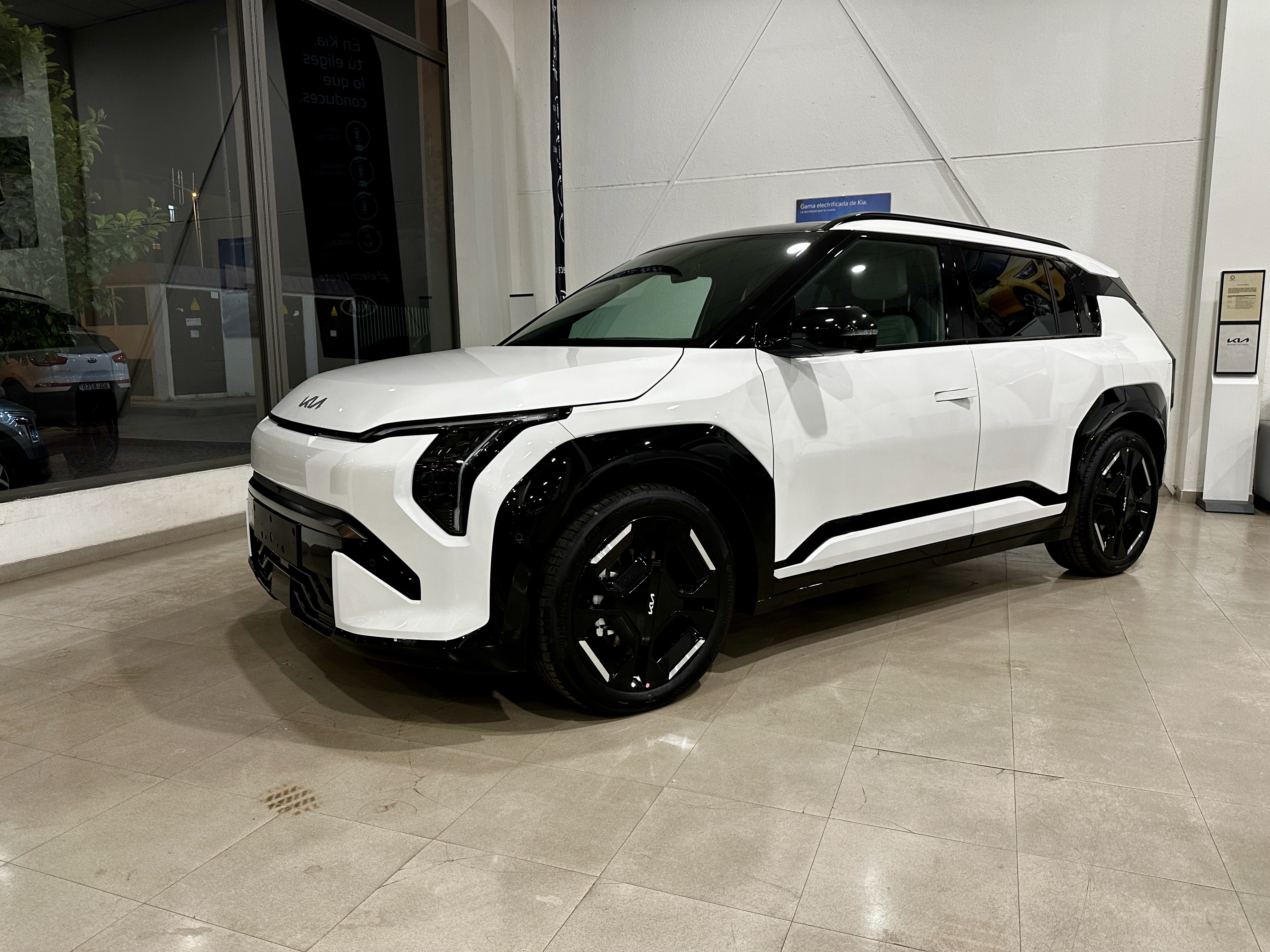
When we here in Spain suffered a nationwide blackout on April 28th, millions of people found themselves powerless. But not me. I had my Kia EV3 parked in the driveway, and with its Vehicle-to-Load (V2L) capability, I kept critical devices powered – lights, phones, and especially the coffee maker!

I wrote about the experience in more detail on my blog, but here’s the takeaway: EVs aren’t just vehicles. They’re mobile batteries.
As the grid faces growing pressure from extreme weather events, cyber threats, and ageing infrastructure, distributed energy resilience will become a core feature of vehicle ownership. EVs paired with rooftop solar and home storage aren’t just green choices – they’re life savers when the grid goes down.
The same holds true at commercial scale. Fleets with V2G (Vehicle-to-Grid) capabilities can provide grid services, earn revenue through demand response, and enhance operational resilience. This isn’t theoretical. It’s already happening in places like the UK, China, and California.
5. The Policy Wildcard: Will Politics Fumble the Momentum?
Despite the stunning progress, the IEA warns that policy headwinds could derail momentum, particularly in the United States. With proposals on the table to repeal federal EV tax credits and impose new tariffs, there’s real risk that the U.S. could fall further behind China and Europe in the EV race.
This isn’t just an economic risk. It’s a climate disaster in the making.
Let me be crystal clear: the climate doesn’t care about your politics. Emissions are cumulative. Every year of delay locks in more climate damage. We need accelerated action, not backpedalling.
Thankfully, other regions seem to be holding course. China continues to lead with aggressive industrial policy and market incentives. Europe, despite some wobbling on subsidies, is locked into legally binding emissions targets that make the transition unavoidable.
But the U.S.? The jury is still out. The coming election cycle could either cement leadership or push the market back into uncertainty.
The Takeaway: Act Now or Miss the Wave
Whether you’re a policymaker, a corporate fleet operator, or just someone thinking about your next car, the message is clear. The EV revolution is here. It’s accelerating. And it’s unstoppable unless we stop it.
Waiting is no longer a risk-free strategy. The market is moving. The climate is calling. The economics are tipping.
Want the full data and projections? Read the IEA’s Global EV Outlook 2025 here.
Curious about how EVs are already transforming resilience today? Read my first-hand account of powering my home during Spain’s nationwide blackout here.
The tipping point has arrived. The only question that remains is – are you ready to catch the wave, or will you be left behind paddling in circles?