
Tag: climateaction
-
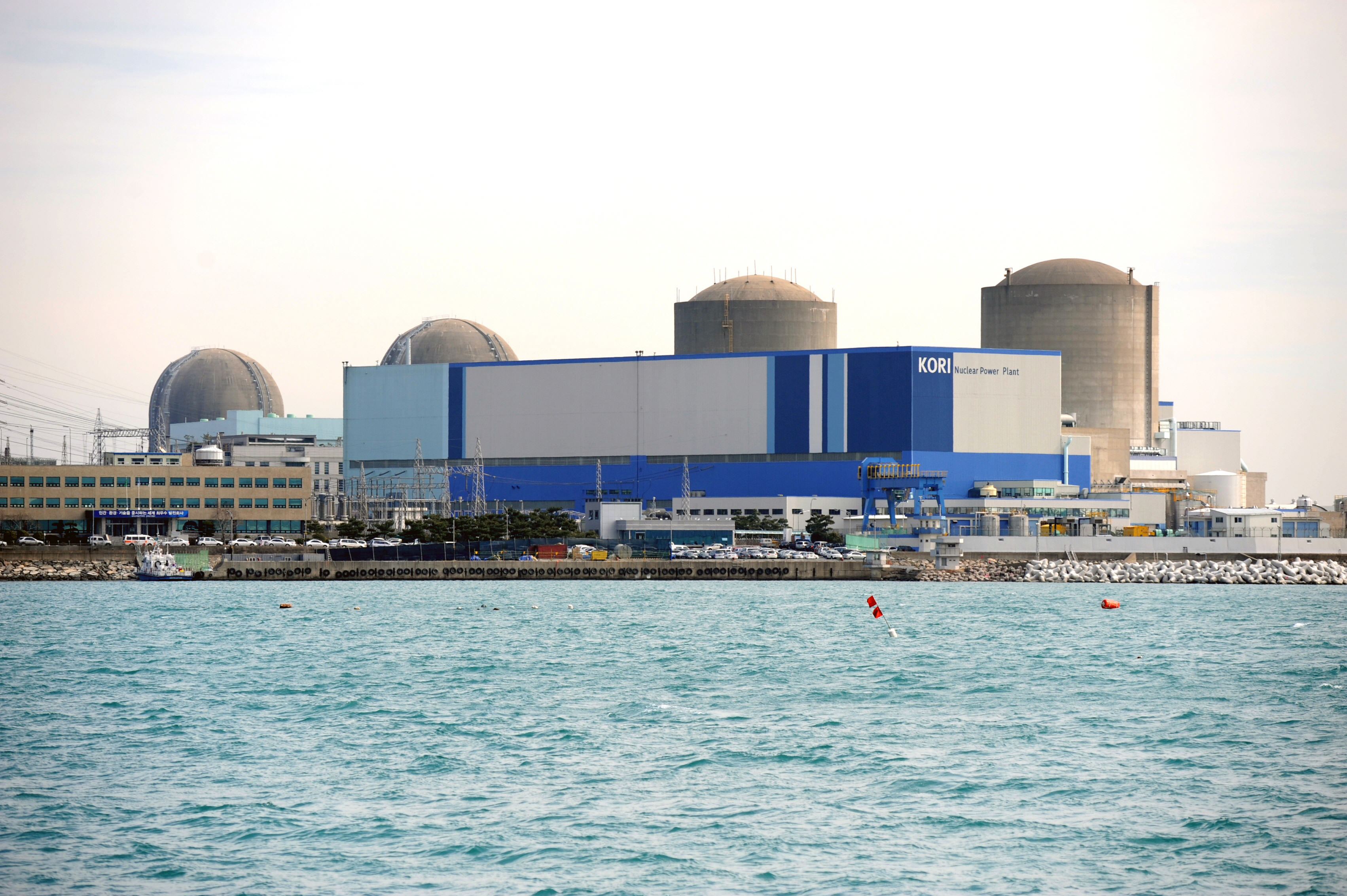
Ireland’s Nuclear Power Debate Has a Grid Problem
Ireland is having a nuclear power debate. While rising energy costs prompt discussions for a nuclear solution, the country’s grid configuration and demand patterns make nuclear impractical. Instead, investment in renewables, energy flexibility, and grid enhancements offers a more viable pathway for Ireland’s energy future, aligning with clean and resilient solutions.
-
Oil Shocks Make Electrification a Business Imperative
The rise in global energy demand, particularly from renewables, underscores a shift towards clean energy due to geopolitical tensions, notably the conflict in the Middle East. While fossil fuels remain dominant, the increasing affordability of electric vehicles and solar technology highlights a strategic transition. This movement, while not complete, demonstrates the importance of electrification in…
-

Why Passive Cooling Matters More in a Hotter, More Volatile World
As temperatures rise and cooling demands soar, energy systems face increasing strain. The International Energy Agency warns of a tripling of energy demand for cooling by 2050, highlighting the urgency of passive cooling measures. These strategies can reduce energy costs, enhance resilience, and improve public health, ultimately addressing rising heat challenges in an economically sensible…
-

War Burned $88.7bn in 17 Days. It Could Have Bought Energy Security
The economic implications of modern warfare, particularly regarding fossil fuels, profoundly affect global pricing and security. The ongoing US, Israel, and Iran conflict exemplifies this, costing approximately $88.7 billion in 17 days. Investing in renewable energy alternatives can substantially reduce dependency on volatile fossil markets, offering a more sustainable and resilient future.
-

Why the Strait of Hormuz Proves Renewables Are Strategic
Rising oil prices, driven by geopolitical conflicts, highlight the vulnerabilities of fossil fuel dependence, prompting a shift towards renewable energy. China’s increasing investment in renewables and energy storage is both a strategic response to energy insecurity and a move towards greater self-sufficiency. This transition underscores the economic advantages of renewables, suggesting a more resilient energy…
-

Capital Follows Electrons: How Electrification Is Driving Growth
Clean electricity is becoming essential for industrial competitiveness as companies prioritise energy costs and reliability when selecting locations for operations. Regions like South Australia, Iceland, China, India, and Africa show how transitioning to renewables leads to lower costs and increased energy security, reshaping global economic dynamics in favour of electrification.
-

Building Decarbonisation Is No Longer Optional. It’s Strategic.
Buildings are a significant, often overlooked source of global emissions, accounting for nearly 40%. Decarbonisation is now essential for financial, strategic, and climatic reasons. It highlights the importance of better design and electrification, outlining practical strategies for corporate leaders to achieve this transition effectively.
-

Why Long Duration Energy Storage Has Finally Reached Scale
The energy transition now faces a pivotal challenge as renewable energy generation outpaces demand, leading to wasted power during peak production times. Long duration energy storage (LDES) is essential for bridging supply and demand gaps, enabling effective utilisation of renewables. This infrastructure is crucial for achieving net-zero emissions and enhancing energy security and affordability.