
Tag: sustainability
-

The Content Compounds Long Before the Audience Does
Reaching 100,000 YouTube subscribers was gratifying, but the number is less interesting than what accumulated along the way. Years of specialist interviews taught me that the real value of sustained publishing is not individual content performance. It is building a coherent body of work that compounds.
-

The Supply Chain Transformation Isn’t the Technology
Researchers analysed interviews from a podcast archive of over 400 episodes, revealing that technology alone does not ensure supply chain sustainability. Instead, management practices, such as sustainable risk management and collaboration, were crucial for achieving outcomes. The study urges leaders to focus on management problems and the appropriate technology needed to address them.
-

AI Is Not Software. It Is Infrastructure
Water disputes highlight the urgent need for sustainable practices amid increasing AI infrastructure demands. With AI moving from a technology-driven focus to an infrastructure and governance concern, organisations must integrate sustainability into their AI strategies. This careful approach can mitigate risks related to energy use, water scarcity, and community impact.
-
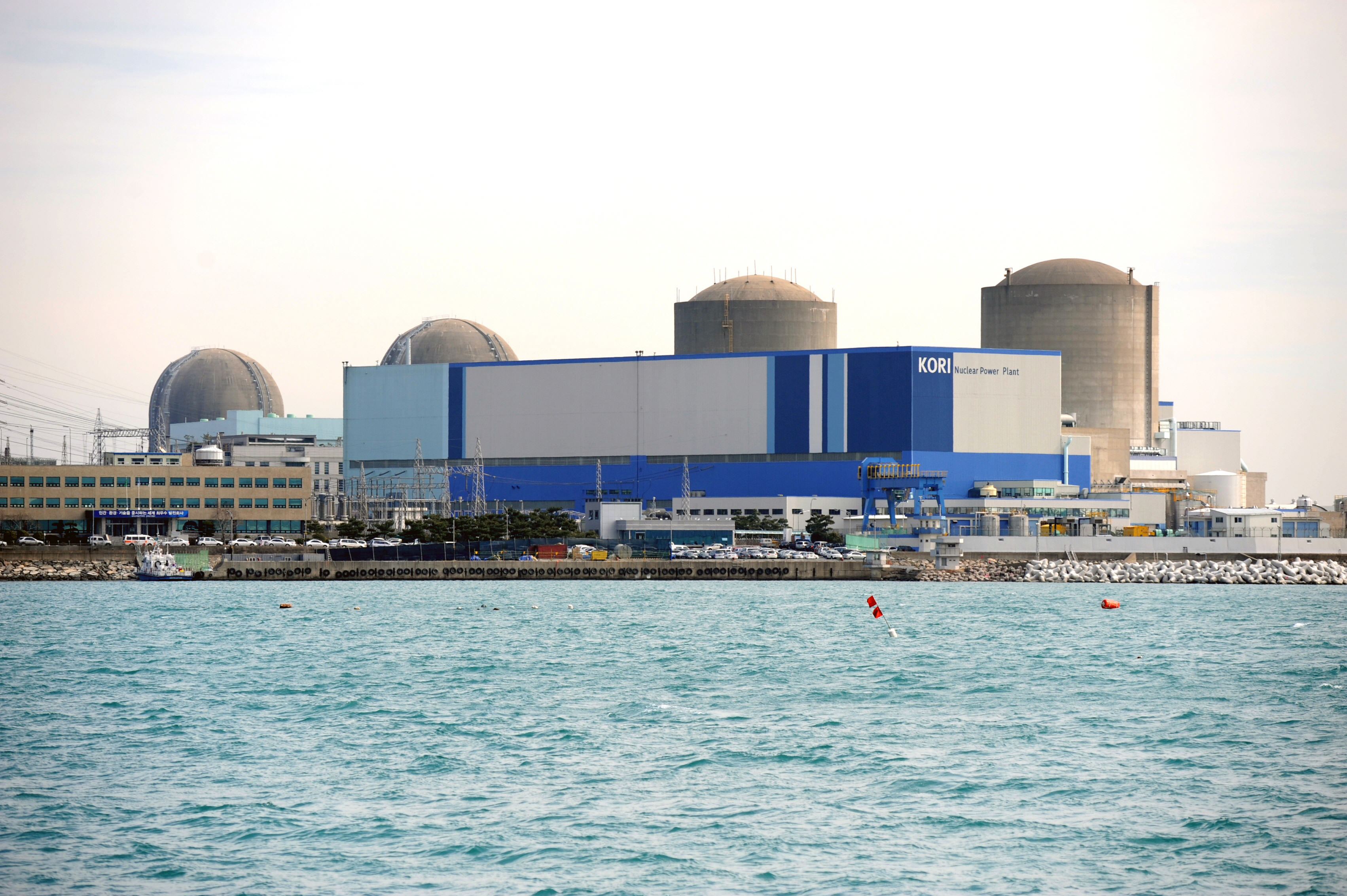
Ireland’s Nuclear Power Debate Has a Grid Problem
Ireland is having a nuclear power debate. While rising energy costs prompt discussions for a nuclear solution, the country’s grid configuration and demand patterns make nuclear impractical. Instead, investment in renewables, energy flexibility, and grid enhancements offers a more viable pathway for Ireland’s energy future, aligning with clean and resilient solutions.
-

Why Passive Cooling Matters More in a Hotter, More Volatile World
As temperatures rise and cooling demands soar, energy systems face increasing strain. The International Energy Agency warns of a tripling of energy demand for cooling by 2050, highlighting the urgency of passive cooling measures. These strategies can reduce energy costs, enhance resilience, and improve public health, ultimately addressing rising heat challenges in an economically sensible…
-

War Burned $88.7bn in 17 Days. It Could Have Bought Energy Security
The economic implications of modern warfare, particularly regarding fossil fuels, profoundly affect global pricing and security. The ongoing US, Israel, and Iran conflict exemplifies this, costing approximately $88.7 billion in 17 days. Investing in renewable energy alternatives can substantially reduce dependency on volatile fossil markets, offering a more sustainable and resilient future.
-

Why the Strait of Hormuz Proves Renewables Are Strategic
Rising oil prices, driven by geopolitical conflicts, highlight the vulnerabilities of fossil fuel dependence, prompting a shift towards renewable energy. China’s increasing investment in renewables and energy storage is both a strategic response to energy insecurity and a move towards greater self-sufficiency. This transition underscores the economic advantages of renewables, suggesting a more resilient energy…
-

Why Poor ESG Data Is Now a Business Liability
ESG reporting has shifted from a supplementary task to a fundamental aspect of business that influences financial decisions and supply chain management. Scope 3 emissions represent a significant challenge as they reflect complex, indirect impacts. Companies that effectively integrate ESG into their operations enhance credibility and build resilient systems, while those neglecting this face reputational…