
Tag: electrification
-
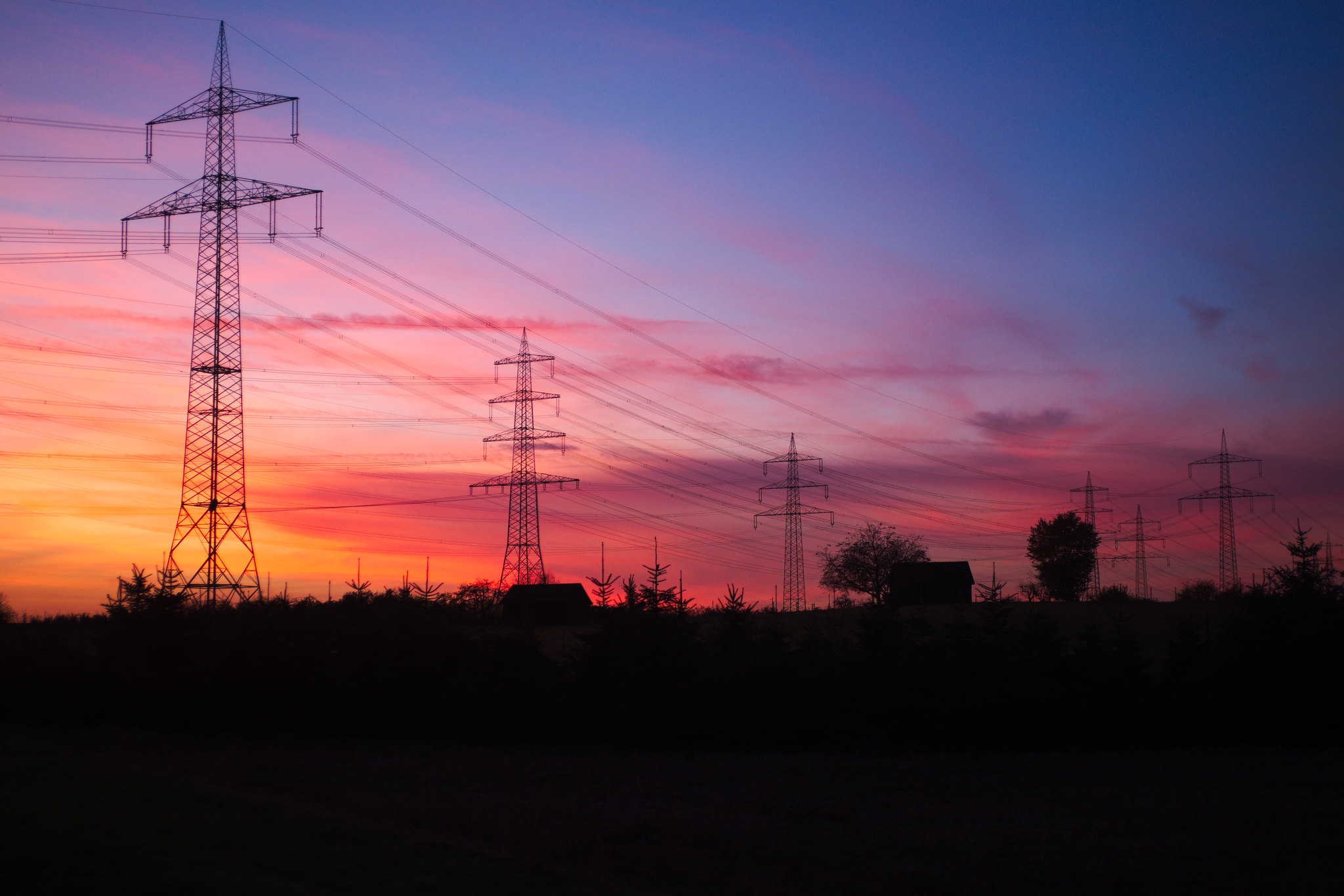
The Grid Is Becoming Industrial Policy
Grid access is becoming a constraint on factories, data centres, renewables and electrification. Power infrastructure is moving from an energy issue to an industrial strategy issue.
-

AI Is Not Software. It Is Infrastructure
Water disputes highlight the urgent need for sustainable practices amid increasing AI infrastructure demands. With AI moving from a technology-driven focus to an infrastructure and governance concern, organisations must integrate sustainability into their AI strategies. This careful approach can mitigate risks related to energy use, water scarcity, and community impact.
-

Carbon Data Is Becoming Permission to Sell
The landscape of corporate sustainability is shifting, as poor carbon data now impacts product viability and market access. With regulations like the EU’s Carbon Border Adjustment Mechanism and Ecodesign for Sustainable Products Regulation, accurate carbon data is essential. Companies must embed this data into operations and decision-making to remain competitive and compliant.
-
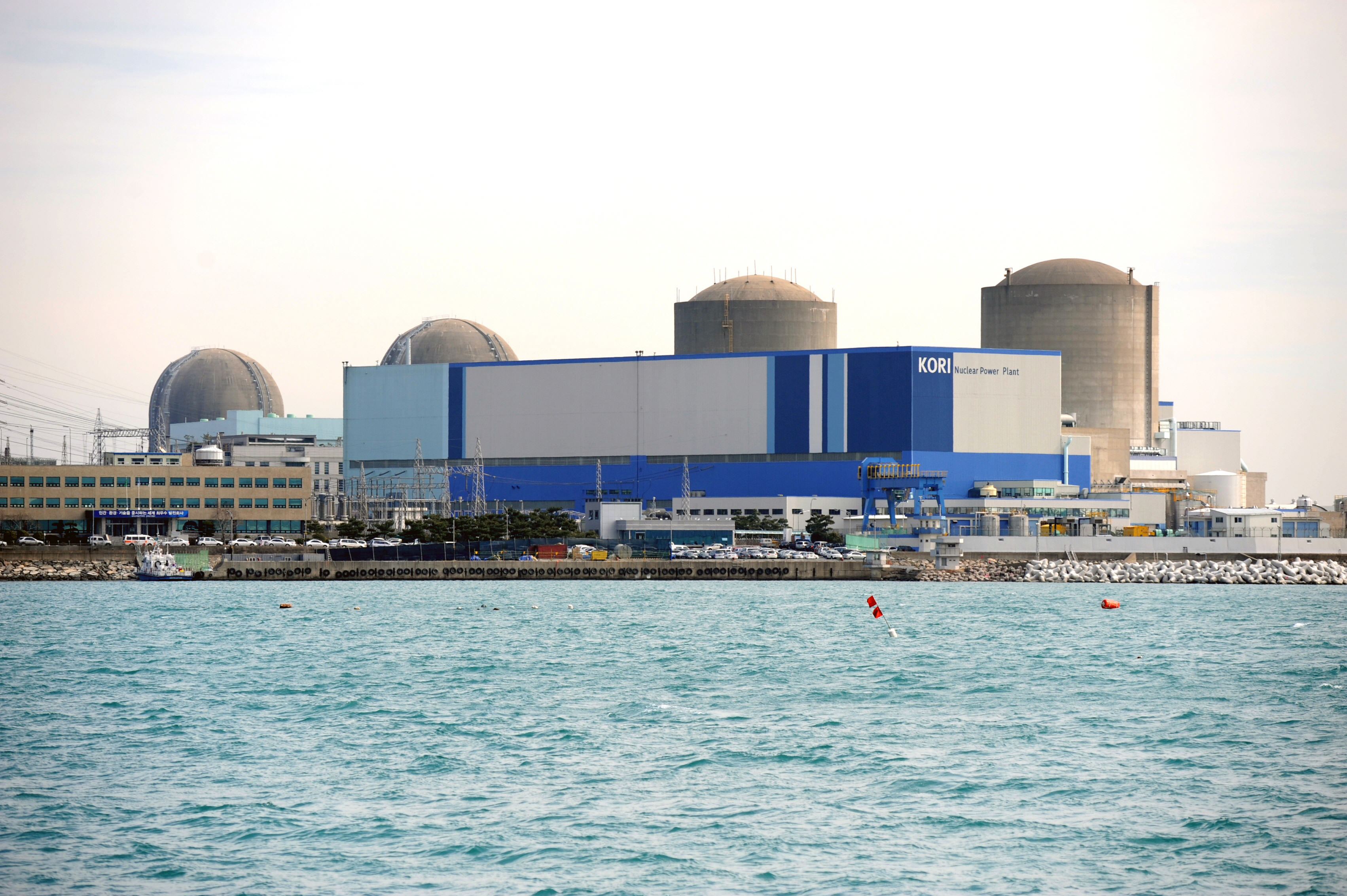
Ireland’s Nuclear Power Debate Has a Grid Problem
Ireland is having a nuclear power debate. While rising energy costs prompt discussions for a nuclear solution, the country’s grid configuration and demand patterns make nuclear impractical. Instead, investment in renewables, energy flexibility, and grid enhancements offers a more viable pathway for Ireland’s energy future, aligning with clean and resilient solutions.
-
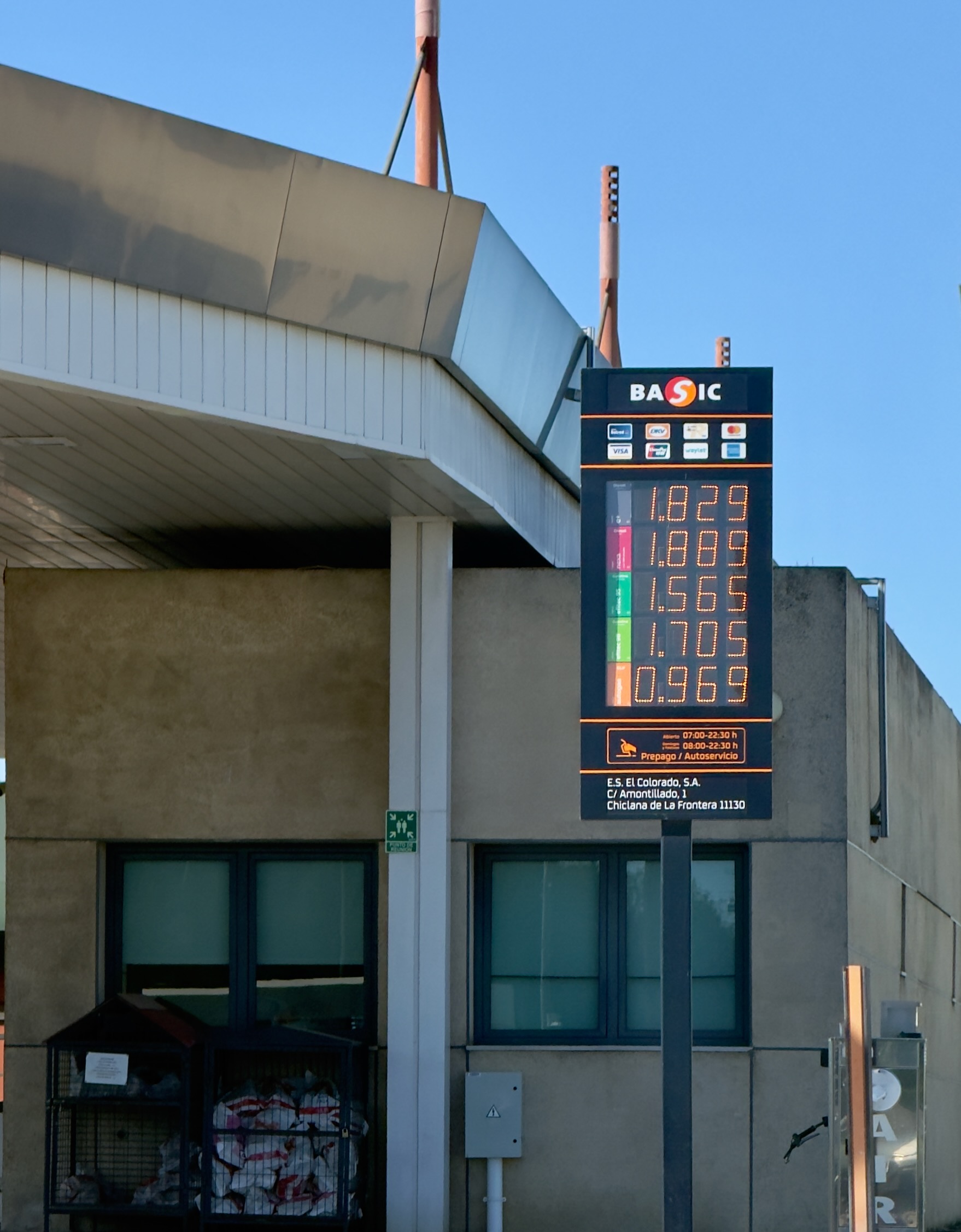
Oil Shocks Make Electrification a Business Imperative
The rise in global energy demand, particularly from renewables, underscores a shift towards clean energy due to geopolitical tensions, notably the conflict in the Middle East. While fossil fuels remain dominant, the increasing affordability of electric vehicles and solar technology highlights a strategic transition. This movement, while not complete, demonstrates the importance of electrification in…
-

Why Passive Cooling Matters More in a Hotter, More Volatile World
As temperatures rise and cooling demands soar, energy systems face increasing strain. The International Energy Agency warns of a tripling of energy demand for cooling by 2050, highlighting the urgency of passive cooling measures. These strategies can reduce energy costs, enhance resilience, and improve public health, ultimately addressing rising heat challenges in an economically sensible…
-
Why Fossil Fuel Dependence Is a Terrible Business Model
The reliance on fossil fuels presents economic instability and geopolitical vulnerabilities, leading to inflated costs that impact everyday life. Transitioning to renewable energy and electrification offers a viable solution by reducing exposure to volatile markets. This shift is essential for energy security, economic resilience, and lowering operational risks for businesses and policymakers.
-

War Burned $88.7bn in 17 Days. It Could Have Bought Energy Security
The economic implications of modern warfare, particularly regarding fossil fuels, profoundly affect global pricing and security. The ongoing US, Israel, and Iran conflict exemplifies this, costing approximately $88.7 billion in 17 days. Investing in renewable energy alternatives can substantially reduce dependency on volatile fossil markets, offering a more sustainable and resilient future.