
Tag: energysecurity
-
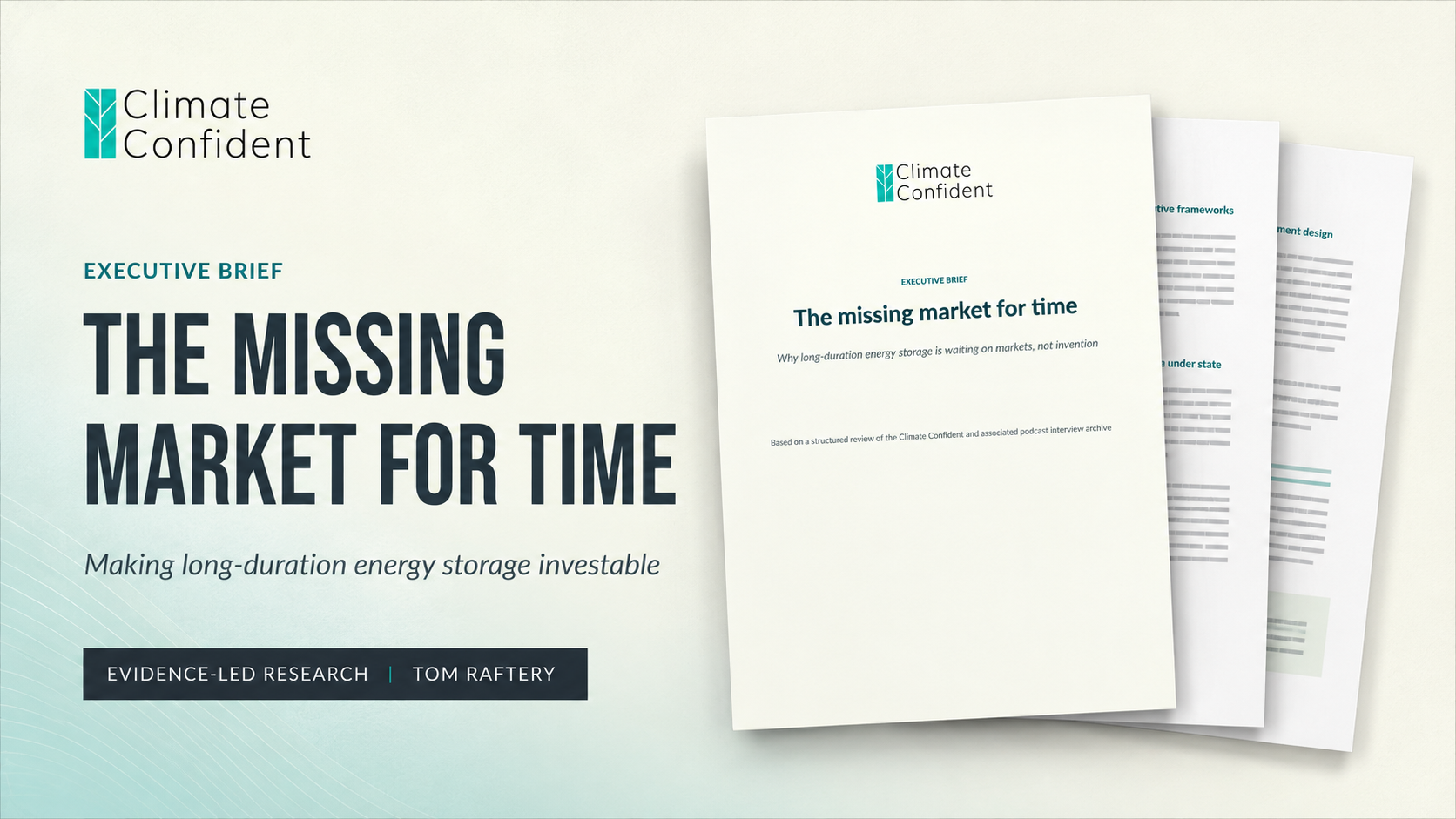
Long-duration energy storage has a market problem
The most challenging moment in renewable energy systems occurs during high demand, especially on cold evenings without wind or solar output. Effective energy storage requires precise definitions of duration and performance. The report emphasises the need for tailored contracts and market structures to support diverse storage technologies and address specific system requirements.
-

AI Is Not Software. It Is Infrastructure
Water disputes highlight the urgent need for sustainable practices amid increasing AI infrastructure demands. With AI moving from a technology-driven focus to an infrastructure and governance concern, organisations must integrate sustainability into their AI strategies. This careful approach can mitigate risks related to energy use, water scarcity, and community impact.
-
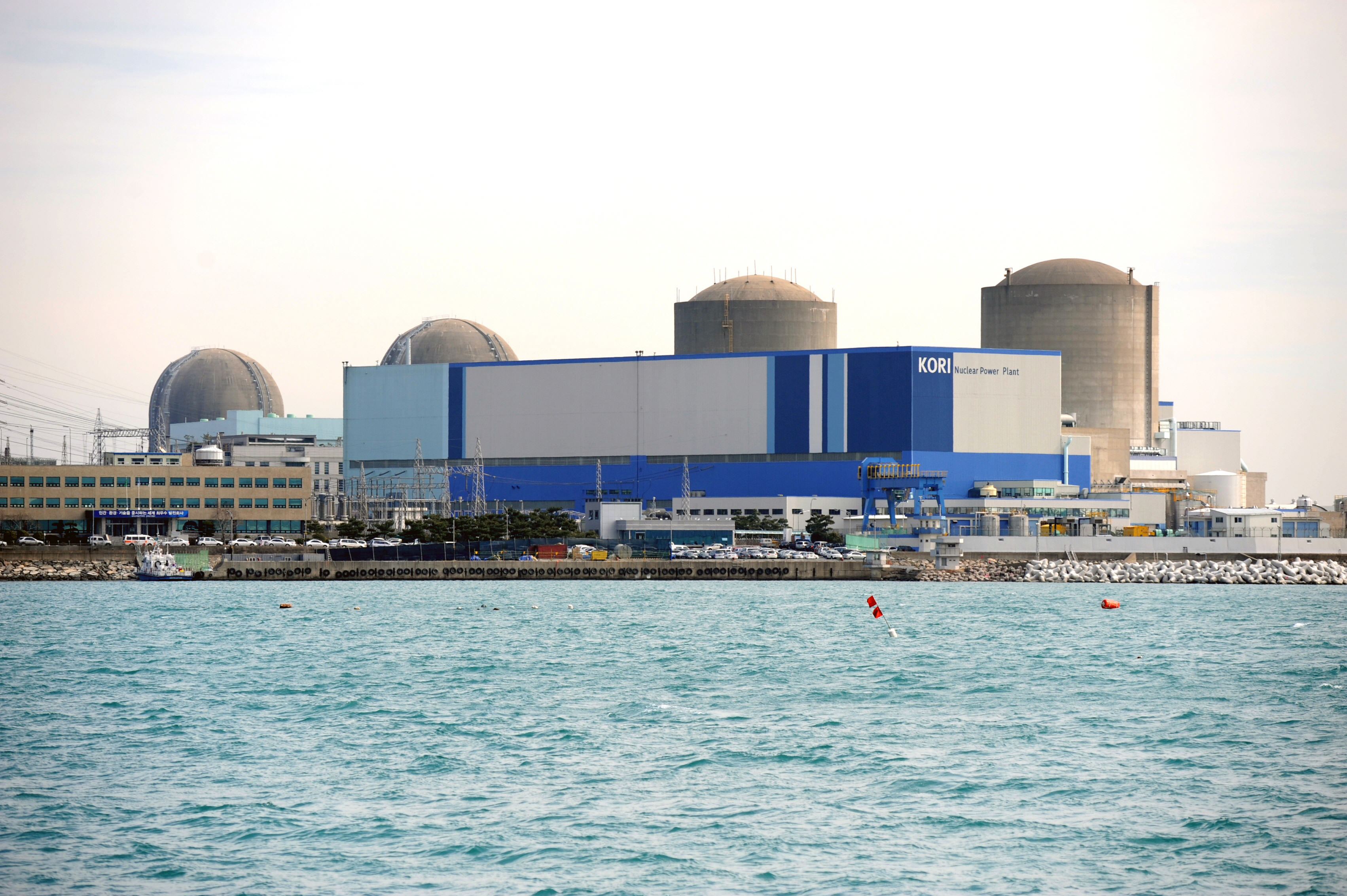
Ireland’s Nuclear Power Debate Has a Grid Problem
Ireland is having a nuclear power debate. While rising energy costs prompt discussions for a nuclear solution, the country’s grid configuration and demand patterns make nuclear impractical. Instead, investment in renewables, energy flexibility, and grid enhancements offers a more viable pathway for Ireland’s energy future, aligning with clean and resilient solutions.
-
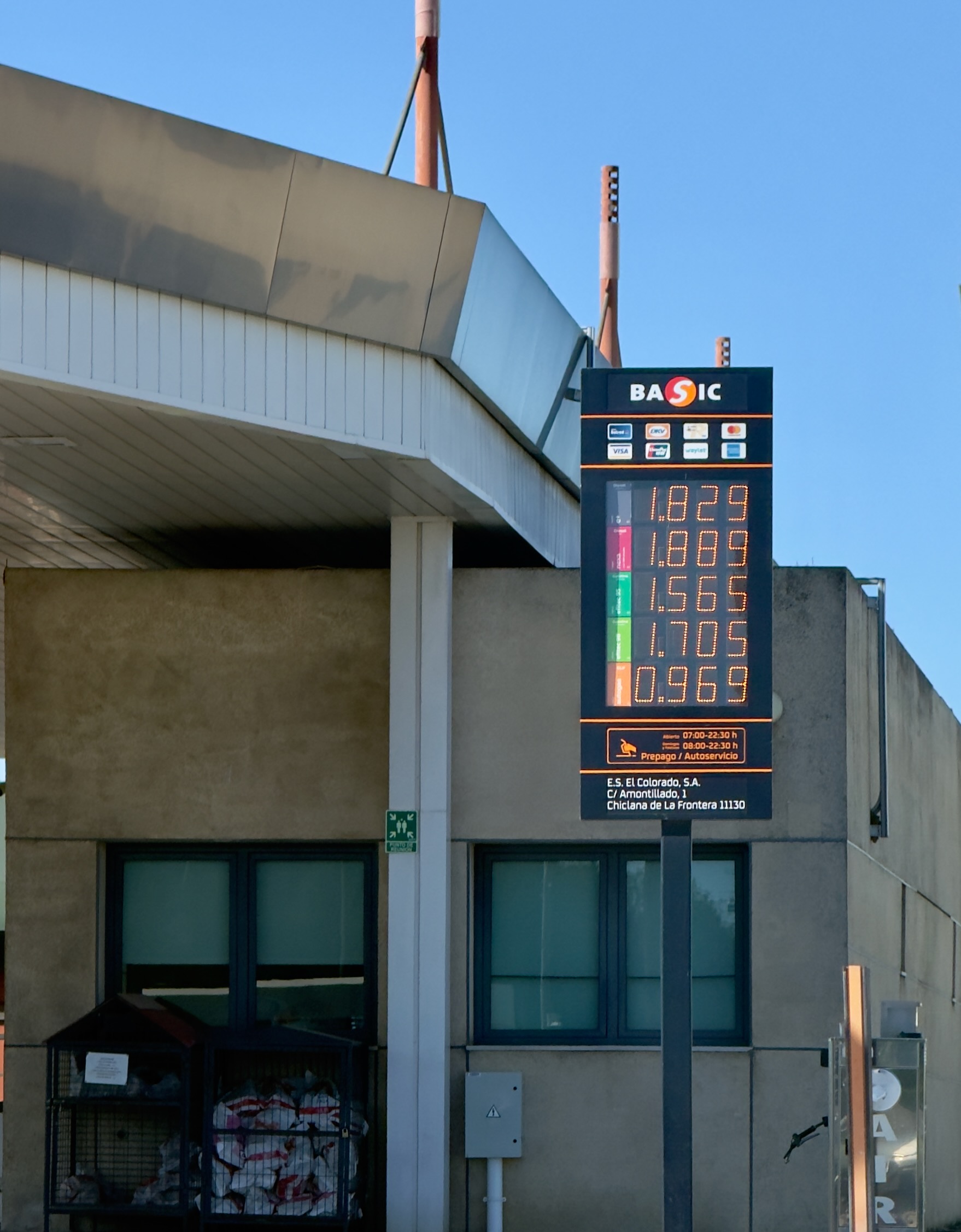
Oil Shocks Make Electrification a Business Imperative
The rise in global energy demand, particularly from renewables, underscores a shift towards clean energy due to geopolitical tensions, notably the conflict in the Middle East. While fossil fuels remain dominant, the increasing affordability of electric vehicles and solar technology highlights a strategic transition. This movement, while not complete, demonstrates the importance of electrification in…
-

Why Passive Cooling Matters More in a Hotter, More Volatile World
As temperatures rise and cooling demands soar, energy systems face increasing strain. The International Energy Agency warns of a tripling of energy demand for cooling by 2050, highlighting the urgency of passive cooling measures. These strategies can reduce energy costs, enhance resilience, and improve public health, ultimately addressing rising heat challenges in an economically sensible…
-

War Burned $88.7bn in 17 Days. It Could Have Bought Energy Security
The economic implications of modern warfare, particularly regarding fossil fuels, profoundly affect global pricing and security. The ongoing US, Israel, and Iran conflict exemplifies this, costing approximately $88.7 billion in 17 days. Investing in renewable energy alternatives can substantially reduce dependency on volatile fossil markets, offering a more sustainable and resilient future.
-

Why the Strait of Hormuz Proves Renewables Are Strategic
Rising oil prices, driven by geopolitical conflicts, highlight the vulnerabilities of fossil fuel dependence, prompting a shift towards renewable energy. China’s increasing investment in renewables and energy storage is both a strategic response to energy insecurity and a move towards greater self-sufficiency. This transition underscores the economic advantages of renewables, suggesting a more resilient energy…
-
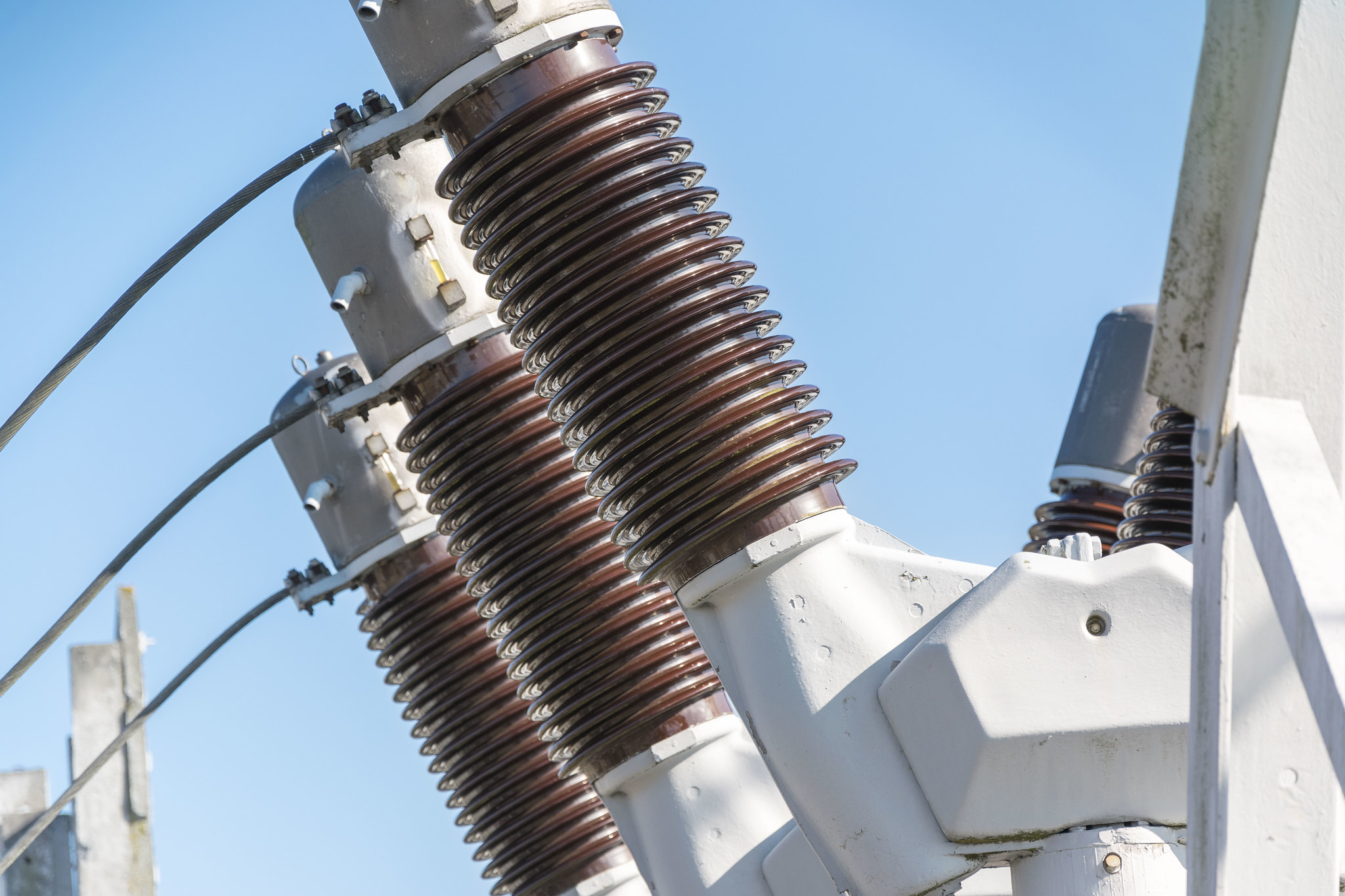
Energy System Resilience: Lessons Europe Must Learn from Ukraine
While decentralised power enhances resilience, by itself it is insufficient. Lessons from Ukraine reveal that energy security now relies on robust infrastructure capable of withstanding attacks and disruptions. Preparedness, strategic planning, and logistics are crucial for restoring power swiftly, ensuring system durability amidst crises.