
Author: Tom Raftery
-
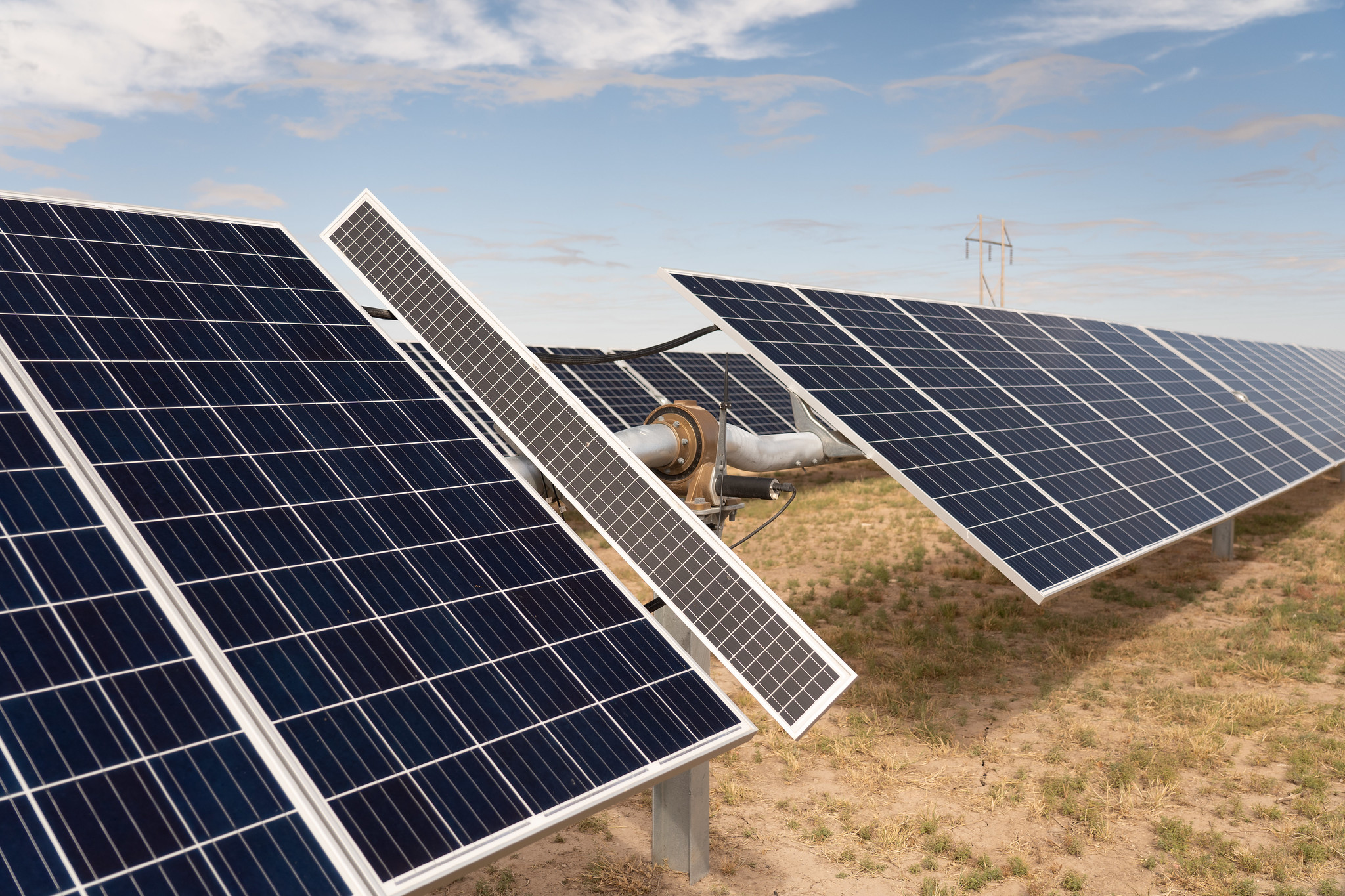
Dispatchable Solar Is Now the Cheapest New Power You Can Build
Falling battery costs have transformed solar energy economics, making it reliable and dispatchable. This transition enhances grid stability, reduces emissions, and reshapes industrial strategy.
-
Solar’s Second Sunrise: Why the Next Decade Will Outshine Everything We’ve Seen So Far
Solar energy’s remarkable evolution from costly beginnings to becoming the cheapest power source today, means unprecedented growth and innovation ahead.
-
Scope 3 Is About to Redraw the Corporate Map: And Companies Serving Fossil Fuels Are Standing on a Fault Line
Scope 3 emissions reporting is expanding, challenging companies to recognise their broader climate impact and accountability.
-

Why Scope 3 Data Starts in the Dark – and How Food Brands Are Showing the Way Out
The central dilemma for supply chains today is accessing reliable data from unseen suppliers, especially in food, where emissions primarily occur upstream.
-

When One Scanner Fails: Why Resilience Starts at the Smallest Link
The supply chain’s fragility risks significant costs due to unplanned downtime, often stemming from device issues, particularly battery management. Companies like Honeywell and Peak Technologies emphasize proactive maintenance and circular design to enhance resilience. Implementing these strategies promotes efficiency, reduces waste, and positions organisations for operational stability in an unpredictable world.
-

The Numbers Behind Smarter Driving: Why Telematics Is the Missing Link in Fleet Sustainability
The article discusses the transformative potential of telematics for small and medium-sized enterprises (SMEs) in reducing fuel consumption, emissions, and accident rates in logistics. As telematics becomes more accessible, SMEs can leverage data for sustainability, safety, and cost-efficiency, ultimately contributing significantly to climate goals and establishing themselves as crucial players in the green transition.
-
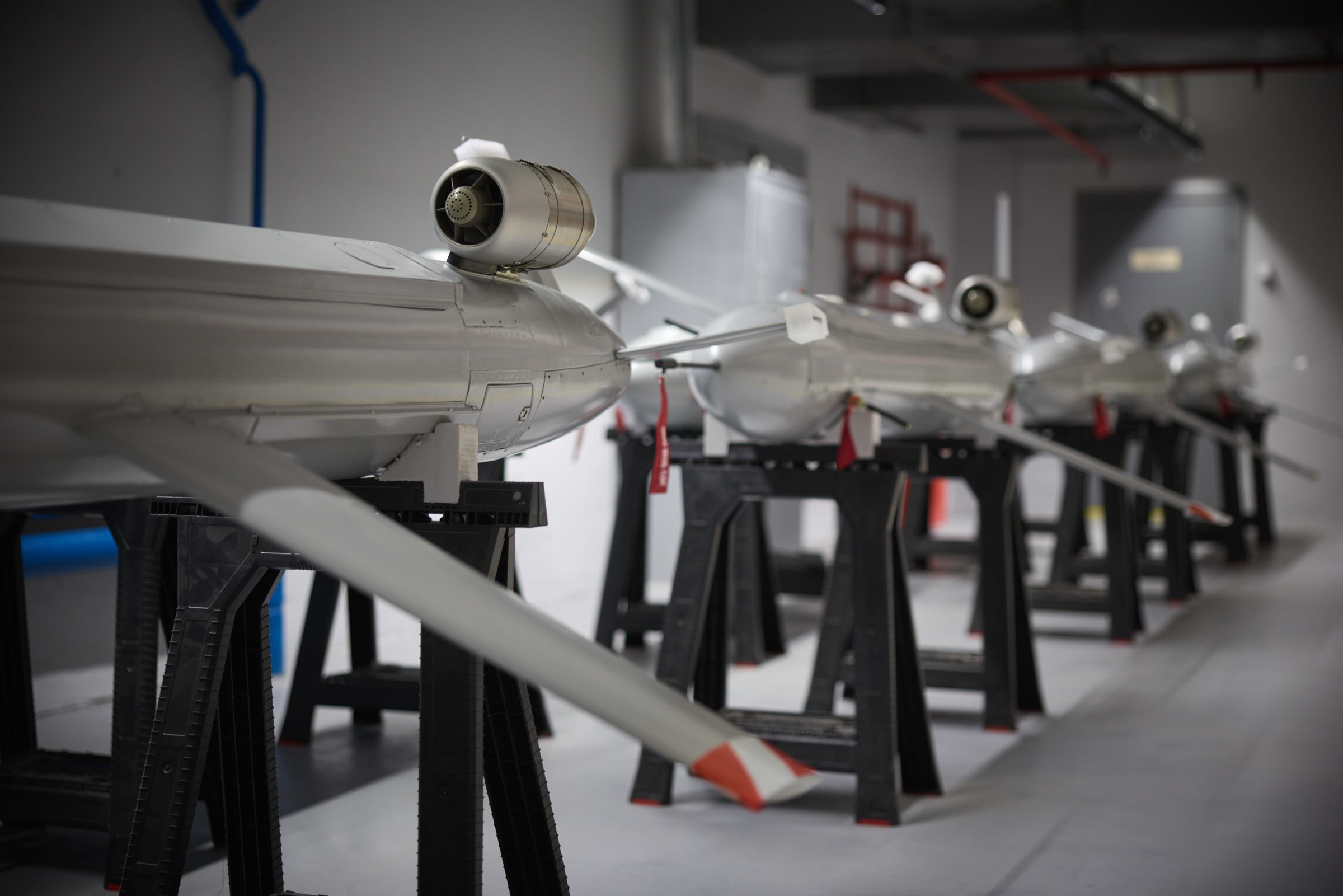
Why You Can’t Drone a Solar Panel: Electrification and Europe’s New Energy Security
Europe’s energy vulnerability was exposed by disruptions, highlighting the need for renewable electrification. Reports show a major shift towards clean energy, emphasizing its security and affordability benefits.
-

Why Decarbonising Power Is the 21st-Century Economic Upgrade We Can’t Afford to Delay
Renewable energy has overtaken coal in global generation for the first time, highlighting a pivotal shift in power dynamics. Spain’s olive oil crisis exemplifies the economic impacts of climate risks. Accelerating clean energy and storage deployment is essential for resilience, stability, and affordability. Transitioning to renewables is a crucial step for sustainability and energy security.