
Author: Tom Raftery
-

Why the Strait of Hormuz Proves Renewables Are Strategic
Rising oil prices, driven by geopolitical conflicts, highlight the vulnerabilities of fossil fuel dependence, prompting a shift towards renewable energy. China’s increasing investment in renewables and energy storage is both a strategic response to energy insecurity and a move towards greater self-sufficiency. This transition underscores the economic advantages of renewables, suggesting a more resilient energy…
-
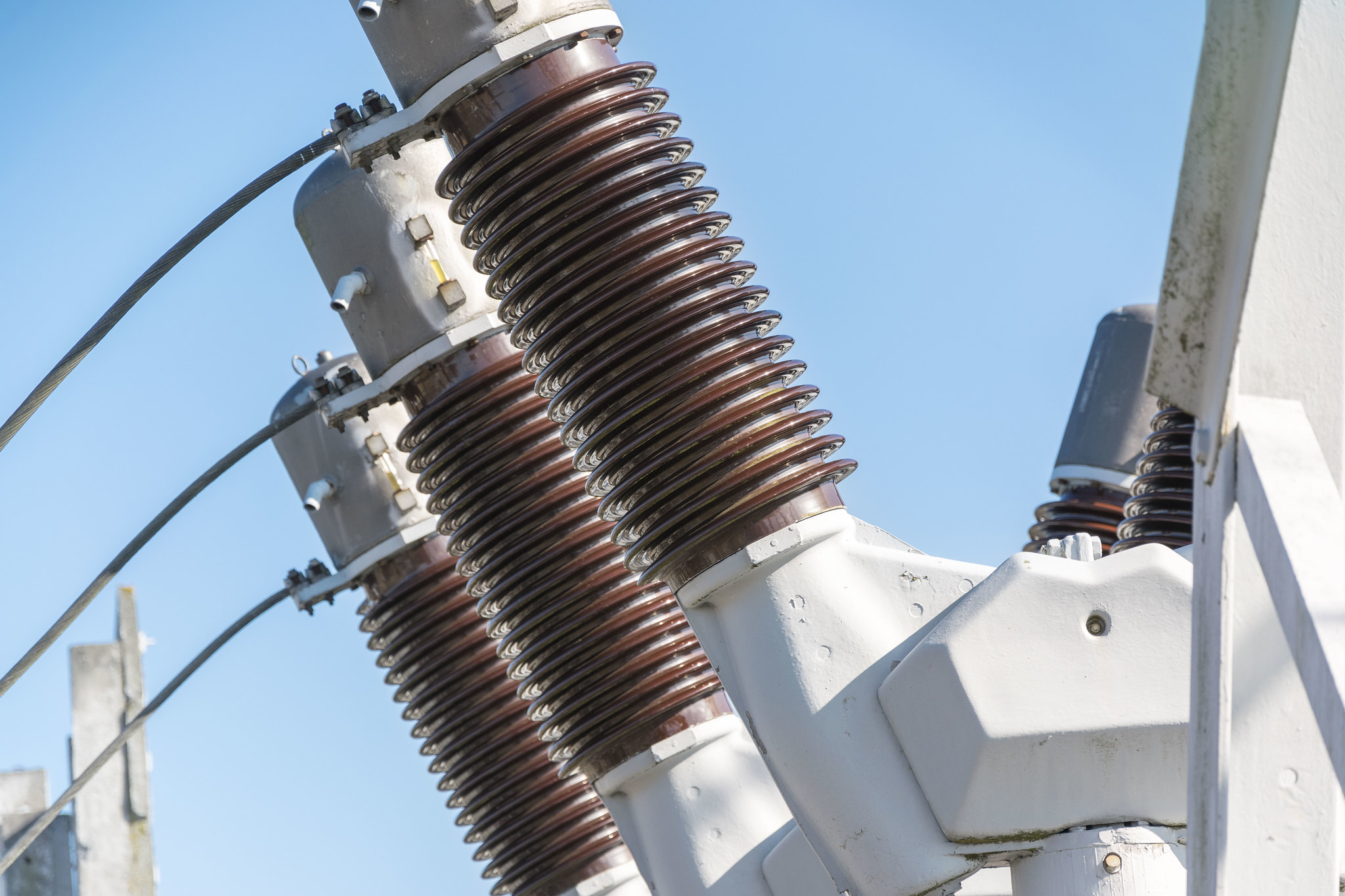
Energy System Resilience: Lessons Europe Must Learn from Ukraine
While decentralised power enhances resilience, by itself it is insufficient. Lessons from Ukraine reveal that energy security now relies on robust infrastructure capable of withstanding attacks and disruptions. Preparedness, strategic planning, and logistics are crucial for restoring power swiftly, ensuring system durability amidst crises.
-

Capital Follows Electrons: How Electrification Is Driving Growth
Clean electricity is becoming essential for industrial competitiveness as companies prioritise energy costs and reliability when selecting locations for operations. Regions like South Australia, Iceland, China, India, and Africa show how transitioning to renewables leads to lower costs and increased energy security, reshaping global economic dynamics in favour of electrification.
-

Building Decarbonisation Is No Longer Optional. It’s Strategic.
Buildings are a significant, often overlooked source of global emissions, accounting for nearly 40%. Decarbonisation is now essential for financial, strategic, and climatic reasons. It highlights the importance of better design and electrification, outlining practical strategies for corporate leaders to achieve this transition effectively.
-

Why Long Duration Energy Storage Has Finally Reached Scale
The energy transition now faces a pivotal challenge as renewable energy generation outpaces demand, leading to wasted power during peak production times. Long duration energy storage (LDES) is essential for bridging supply and demand gaps, enabling effective utilisation of renewables. This infrastructure is crucial for achieving net-zero emissions and enhancing energy security and affordability.
-

Why Poor ESG Data Is Now a Business Liability
ESG reporting has shifted from a supplementary task to a fundamental aspect of business that influences financial decisions and supply chain management. Scope 3 emissions represent a significant challenge as they reflect complex, indirect impacts. Companies that effectively integrate ESG into their operations enhance credibility and build resilient systems, while those neglecting this face reputational…
-
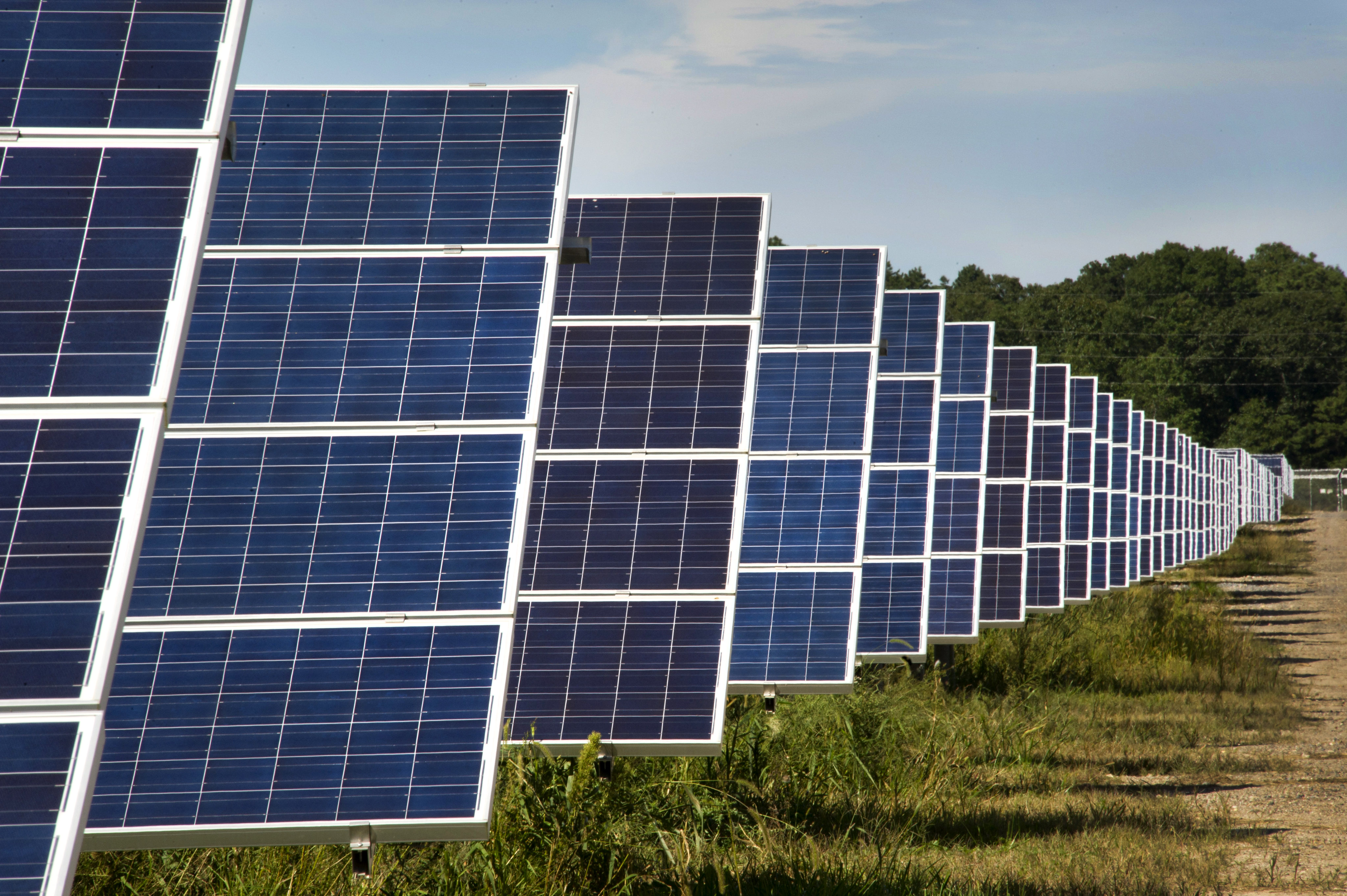
When the Grid Became the Risk: Why Businesses Are Turning to Solar + Storage PPAs
On 29th April last year, a blackout in the Iberian Peninsula highlighted the fragility of the electricity grid, prompting a shift in corporate energy strategies. Businesses globally now prioritise solar and battery storage systems for cost predictability and resilience, moving from viewing electricity as a mere utility to an integral part of operational planning.
-

Concrete’s Carbon Problem and the Race to Fix It
Homeowners in Europe and the US are facing increased insurance premiums linked to climate change risks, while construction continues to rely heavily on concrete, a significant contributor to global CO₂ emissions. The industry is beginning to address embodied carbon, but progress remains slow. Urgent changes in material practices and regulations are needed to reduce emissions…