
Tag: climateleadership
-
Long-duration energy storage has a market problem
The most challenging moment in renewable energy systems occurs during high demand, especially on cold evenings without wind or solar output. Effective energy storage requires precise definitions of duration and performance. The report emphasises the need for tailored contracts and market structures to support diverse storage technologies and address specific system requirements.
-
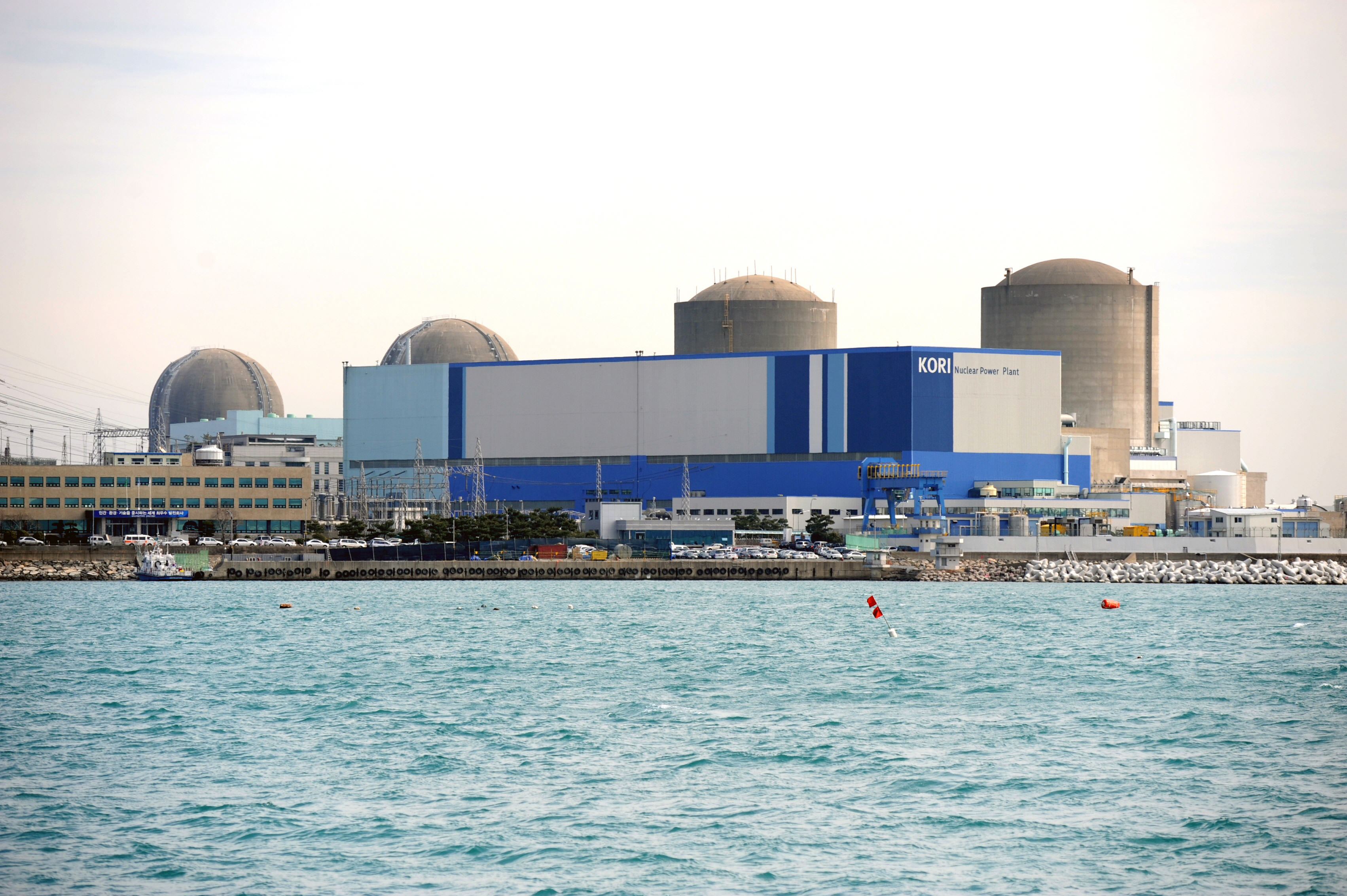
Ireland’s Nuclear Power Debate Has a Grid Problem
Ireland is having a nuclear power debate. While rising energy costs prompt discussions for a nuclear solution, the country’s grid configuration and demand patterns make nuclear impractical. Instead, investment in renewables, energy flexibility, and grid enhancements offers a more viable pathway for Ireland’s energy future, aligning with clean and resilient solutions.
-
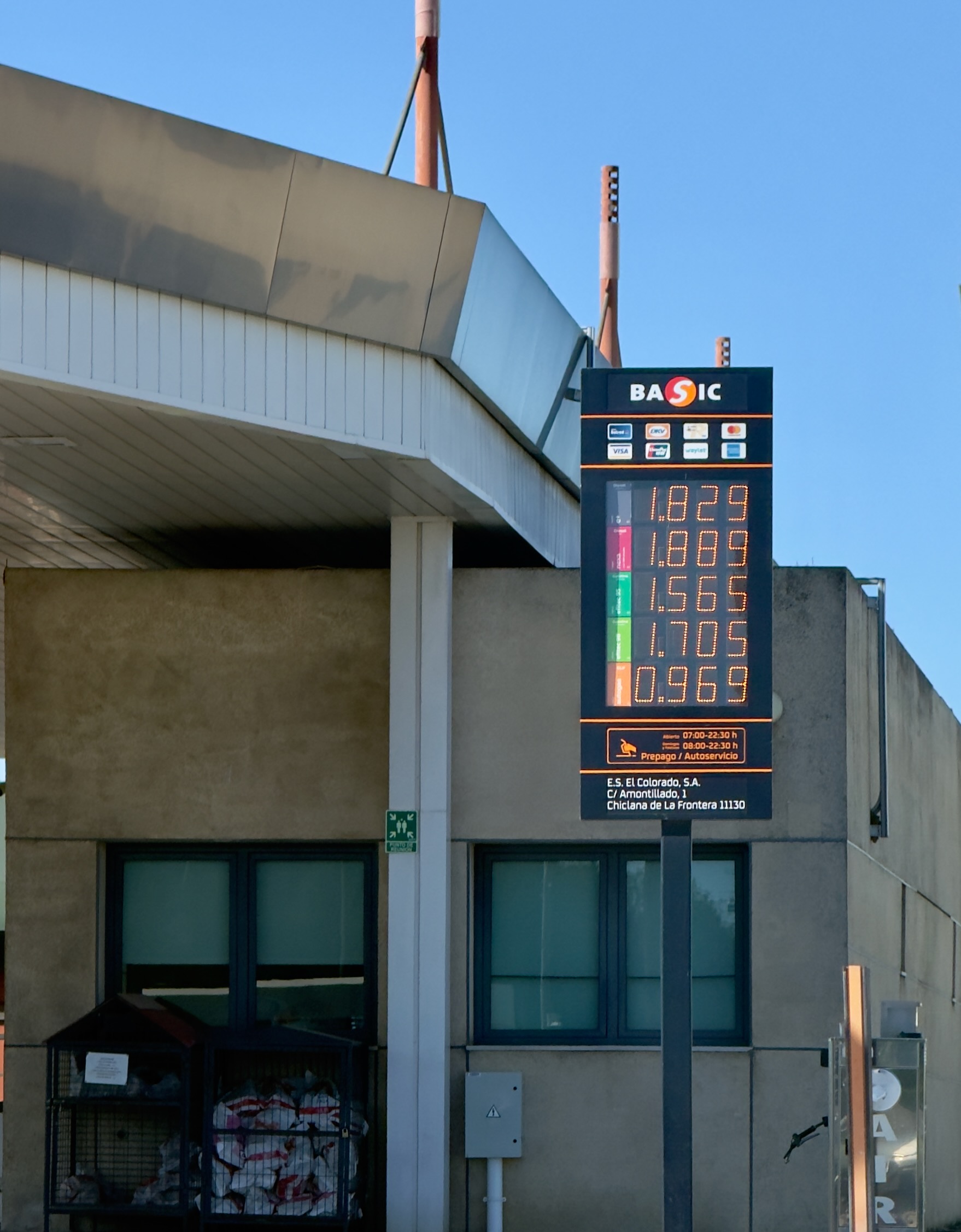
Oil Shocks Make Electrification a Business Imperative
The rise in global energy demand, particularly from renewables, underscores a shift towards clean energy due to geopolitical tensions, notably the conflict in the Middle East. While fossil fuels remain dominant, the increasing affordability of electric vehicles and solar technology highlights a strategic transition. This movement, while not complete, demonstrates the importance of electrification in…
-

Why Passive Cooling Matters More in a Hotter, More Volatile World
As temperatures rise and cooling demands soar, energy systems face increasing strain. The International Energy Agency warns of a tripling of energy demand for cooling by 2050, highlighting the urgency of passive cooling measures. These strategies can reduce energy costs, enhance resilience, and improve public health, ultimately addressing rising heat challenges in an economically sensible…
-

Building Decarbonisation Is No Longer Optional. It’s Strategic.
Buildings are a significant, often overlooked source of global emissions, accounting for nearly 40%. Decarbonisation is now essential for financial, strategic, and climatic reasons. It highlights the importance of better design and electrification, outlining practical strategies for corporate leaders to achieve this transition effectively.
-

Why Poor ESG Data Is Now a Business Liability
ESG reporting has shifted from a supplementary task to a fundamental aspect of business that influences financial decisions and supply chain management. Scope 3 emissions represent a significant challenge as they reflect complex, indirect impacts. Companies that effectively integrate ESG into their operations enhance credibility and build resilient systems, while those neglecting this face reputational…
-
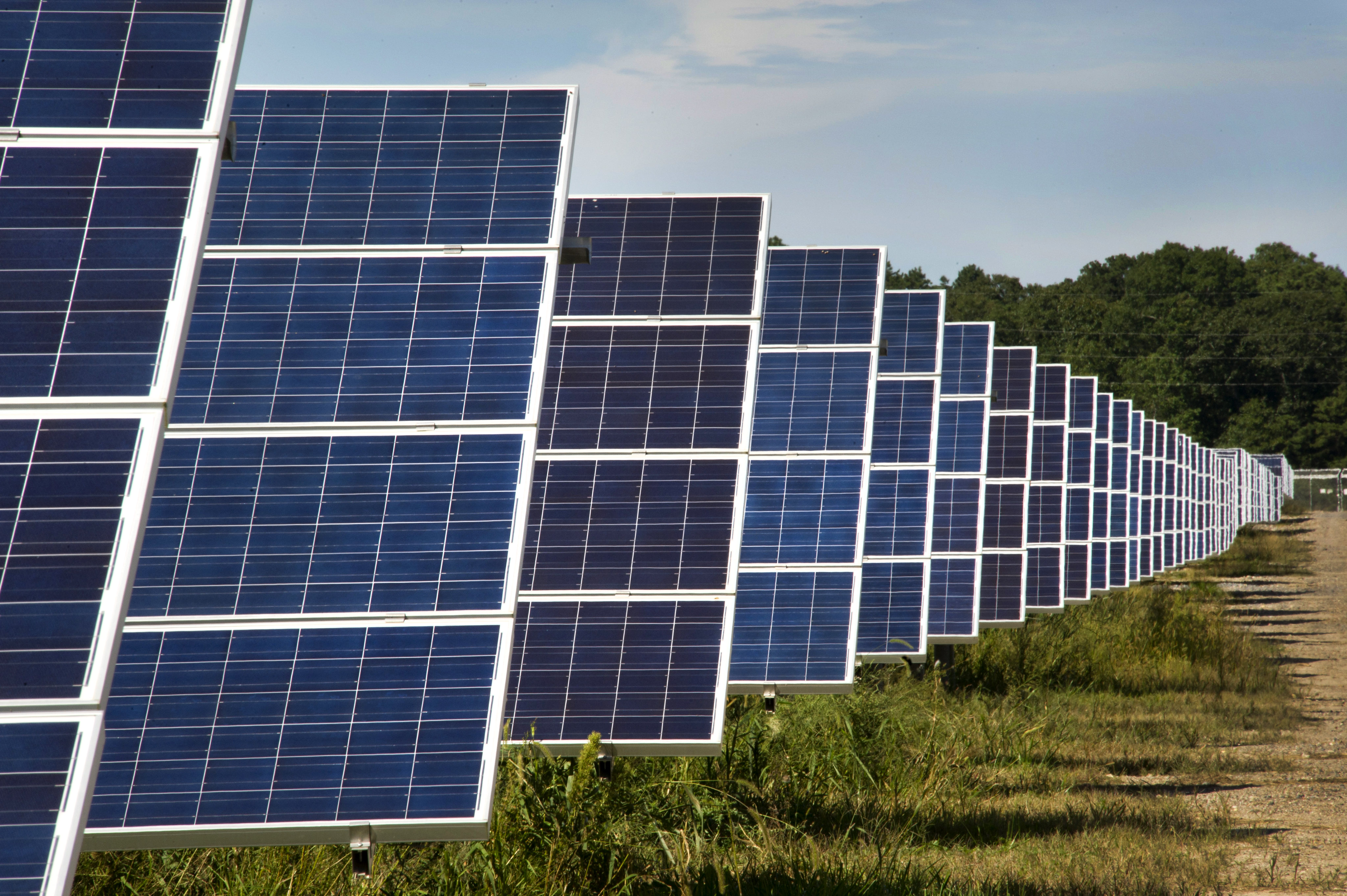
When the Grid Became the Risk: Why Businesses Are Turning to Solar + Storage PPAs
On 29th April last year, a blackout in the Iberian Peninsula highlighted the fragility of the electricity grid, prompting a shift in corporate energy strategies. Businesses globally now prioritise solar and battery storage systems for cost predictability and resilience, moving from viewing electricity as a mere utility to an integral part of operational planning.
-
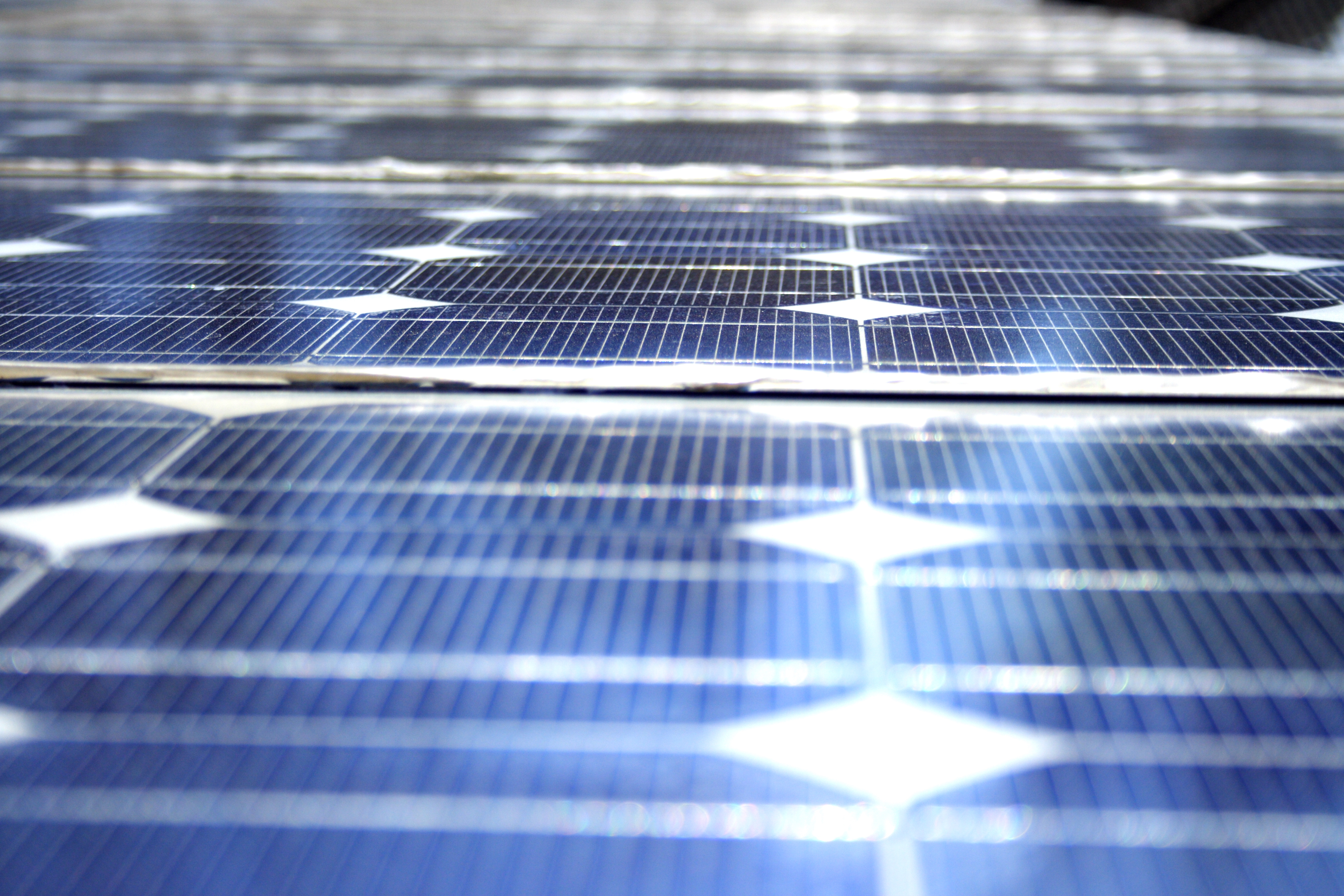
Solar’s Second Sunrise: Why the Next Decade Will Outshine Everything We’ve Seen So Far
Solar energy’s remarkable evolution from costly beginnings to becoming the cheapest power source today, means unprecedented growth and innovation ahead.