
Author: Tom Raftery
-
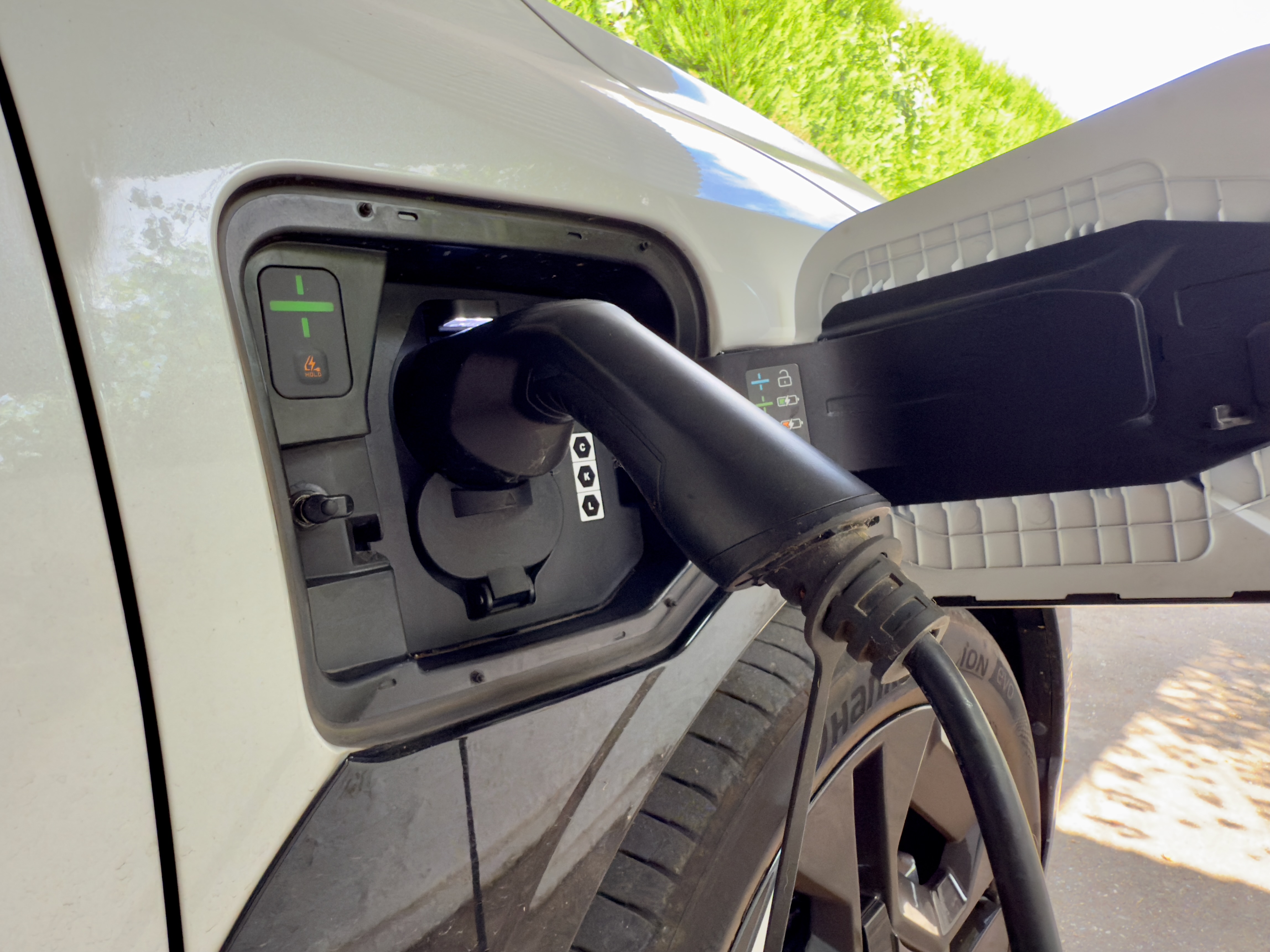
Spain’s Blackout: Why Renewables Weren’t to Blame, And What Needs Fixing
On April 28th, a massive blackout affected the Iberian Peninsula due to a cascading voltage control failure, not because of renewables. Reports revealed a compliance issue with generators amid technical faults. This incident highlighted the need for a modernised grid, better regulations, and integration of renewables to enhance resilience and stability in energy systems.
-

Intelligent Automation & Digital Workflows are Reinventing Supply Chain Sustainability
In a discussion with René Schrama of Peak Technologies, the importance of digitising workflows and embracing intelligent automation for supply chain resilience and sustainability was emphasised. These practices are essential for adapting to disruptions in global trade and ensuring long-term stability while enabling companies to operate more efficiently and environmentally responsibly.
-

The AI Climate Tools You Can Actually Trust: ChatNetZero and ChatNDC Explained
AI tools have revolutionized many fields but often provide inaccurate climate information. Researchers developed ChatNetZero.ai and ChatNDC.org to ensure reliable climate data, countering misleading AI outputs. As governments and corporations make net zero pledges, accurate tools are crucial for informed decision-making and restoring trust in climate policies.
-
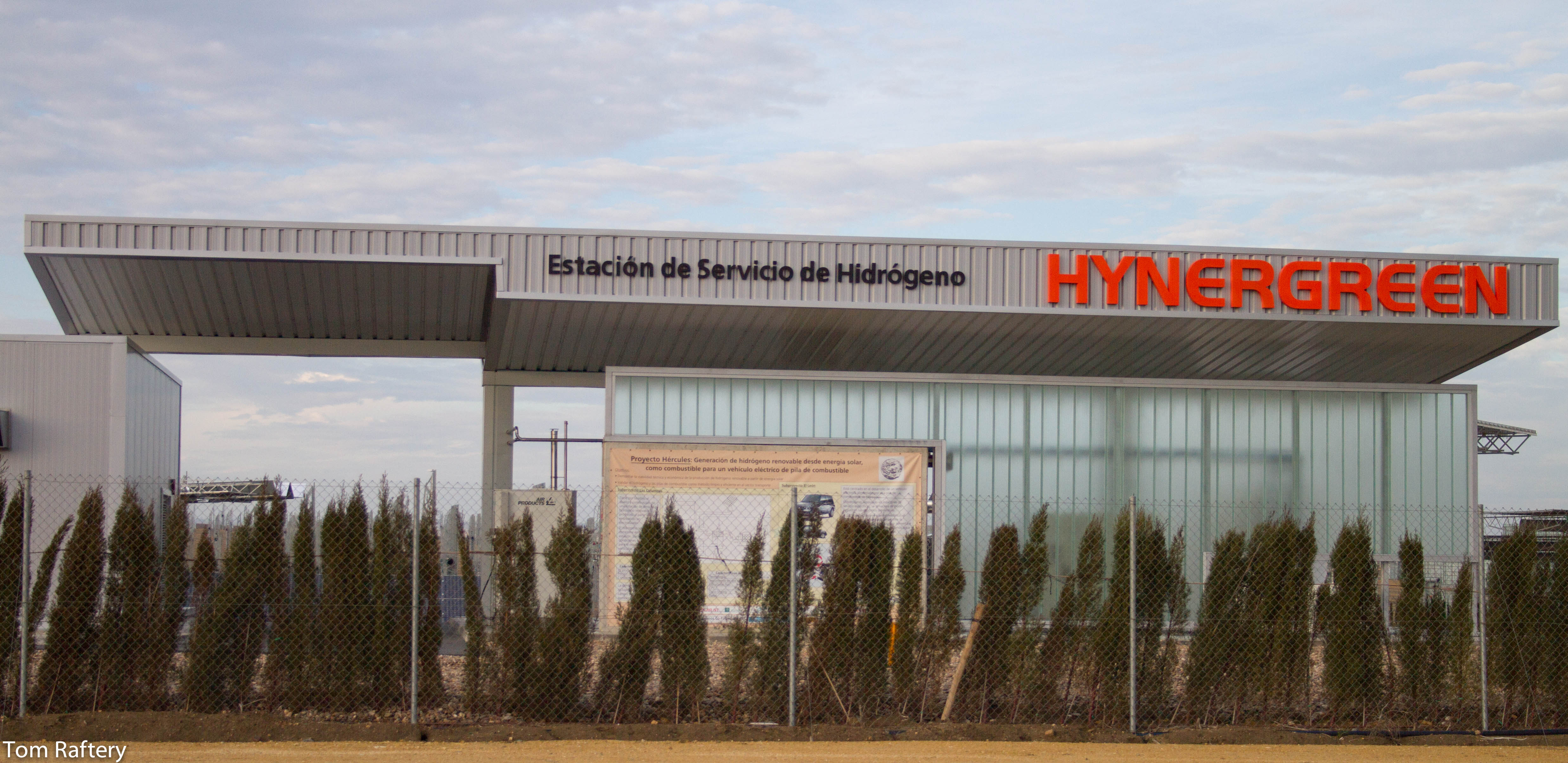
The Truth About Hydrogen: High Cost, Low Impact, Big Distraction
The post critiques the exaggerated role of hydrogen in climate action, emphasizing its inefficiency compared to direct electrification. While acknowledging hydrogen’s importance as a feedstock in industrial processes, it argues against using it as a fuel for transport or heating. The author calls for prioritizing electrification to maximize emissions reductions effectively.
-
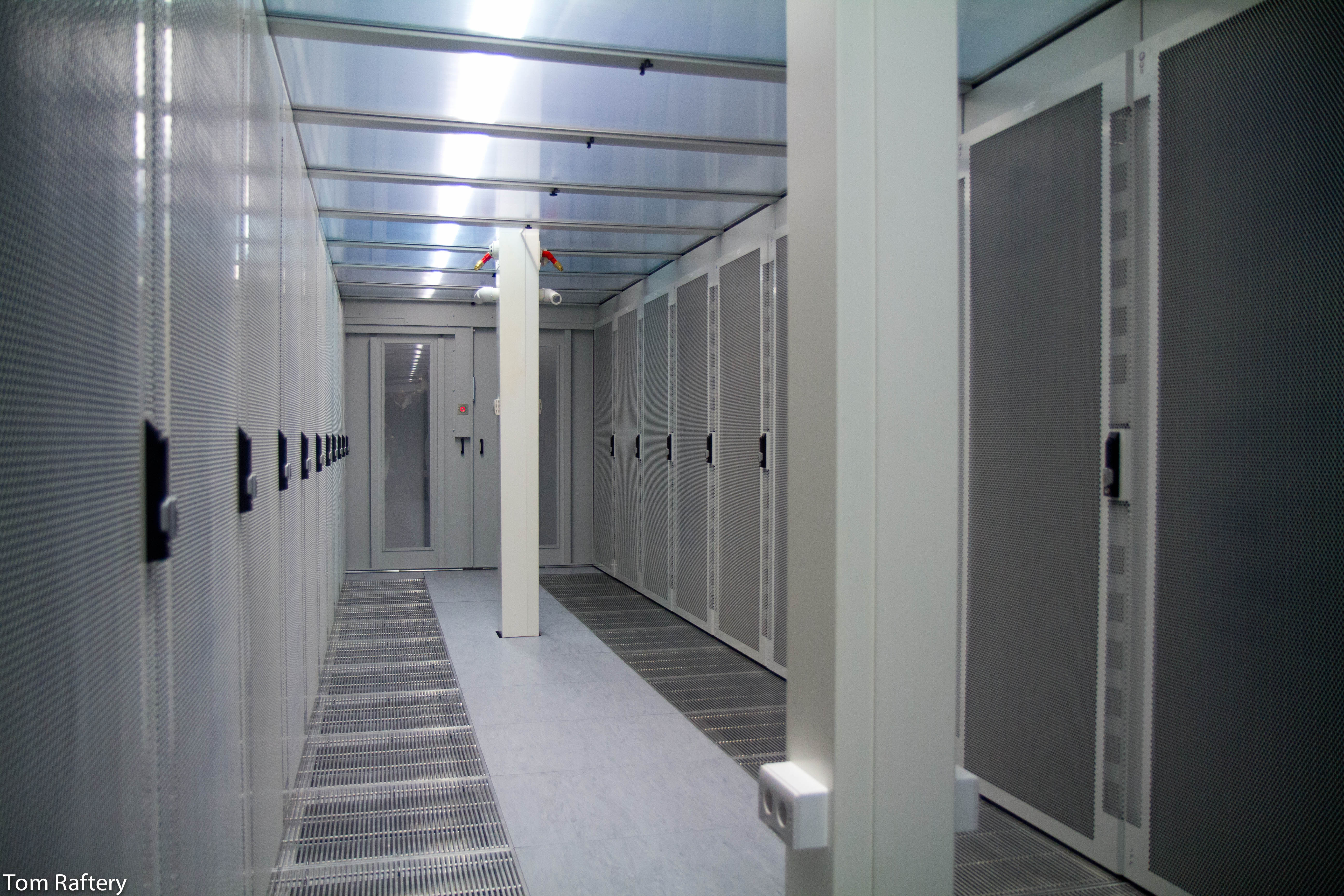
AI’s Energy Myth: Why Data Centres Aren’t About to Break the Grid
The article critiques the exaggerated claims about the energy consumption of AI-driven data centres, arguing that predictions often lack grounding in reality. Historical trends show significant efficiency gains in data centres, and current forecasts suggest limited energy use from AI. It advocates for smart regulation and integrating renewable energy, cautioning against misallocated capital based on…
-

Rewriting the Rules of Innovation: How Zespri Is Powering Climate-Tech with No-Strings Funding
Innovation is essential for addressing the climate crisis, exemplified by Zespri’s Zag Innovation Fund. This fund utilizes venture clienting to support projects aimed at climate resilience without equity demands. By encouraging cross-sector collaborations and implementing regenerative practices, Zespri seeks scalable solutions that prioritize environmental impact over profit in agriculture.
-

1 in 4 New Cars Will Be Electric in 2025 – What This Means for Climate, Oil Demand, and Your Next Vehicle
The 2025 Global EV Outlook from the IEA highlights the significant transition towards electric vehicles (EVs), which are projected to account for 20 million sales globally. This shift is crucial for climate impacts, energy security, and economic viability, as EVs increasingly outperform internal combustion engines (ICE). Delays in adoption could result in higher costs and…
-
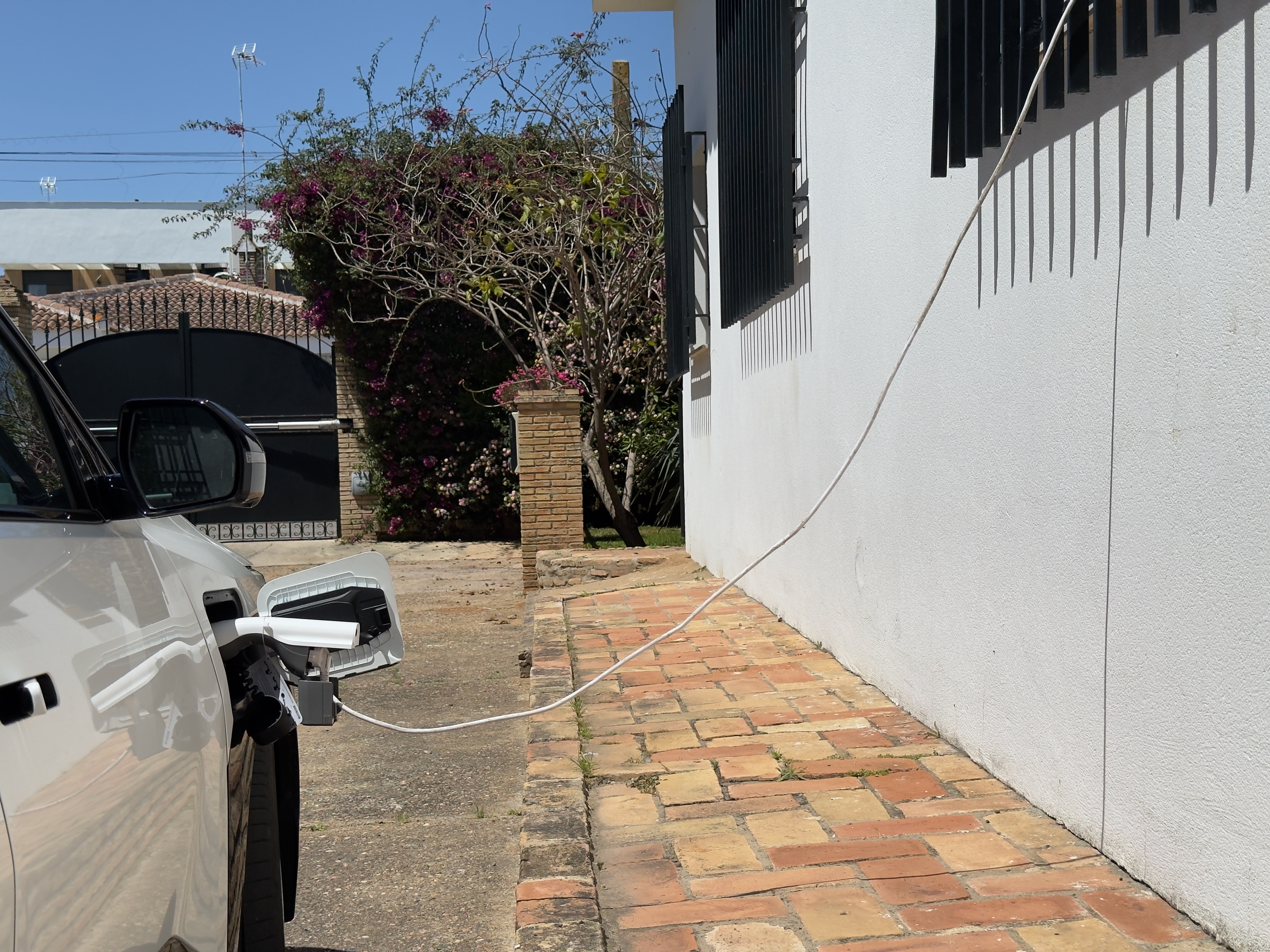
Why Solar Alone Isn’t Enough: What Spain’s Blackout Revealed About the Energy Transition
On April 28, 2025, a blackout in Spain and Portugal highlighted vulnerabilities in solar deployment, emphasizing the need for robust grid infrastructure. While solar energy is booming, efficiency gains must be complemented by support systems like batteries and advanced inverters to ensure stability. Future policies need to prioritize both innovation and resilience in energy systems.