
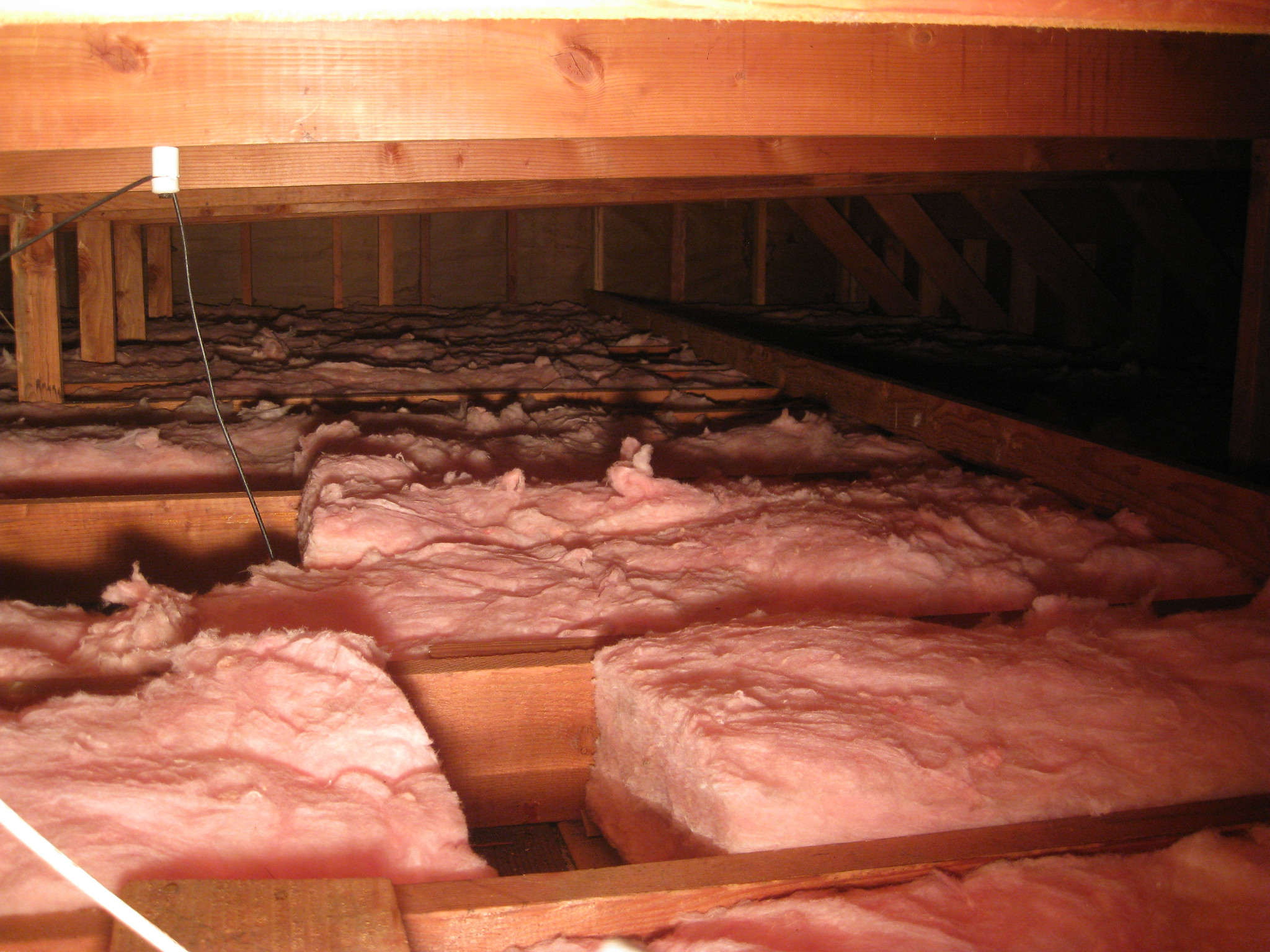
Introduction: A Problem That Won’t Wait
Commercial buildings. Giants of glass, concrete, and steel. They devour 40% of global carbon emissions—guzzling energy like an insatiable beast. We’ve got the technology to fix it. We’ve had it for years. So why does retrofitting remain a sluggish, half-hearted endeavor?
It’s not rocket science. Better insulation. High-efficiency HVAC. LED lighting. Smart windows. Lower costs. Higher property values. Slashed emissions. A textbook case of ‘win-win.’ And yet, asset managers clutch their wallets like it’s 2008 all over again. The hesitation isn’t about science. It’s about money, inertia, and a business model older than most of the buildings themselves.
Let’s tear into why retrofitting is an unstoppable force crashing against an immovable industry. And—more importantly—how to finally get it done.
Retrofitting: Not Optional Anymore
The hammer is coming down. Regulators are fed up with inaction. In the UK, commercial properties rated below an Eon their Energy Performance Certificate (EPC) are, for all intents and purposes, illegal to rent or sell. A billion square feet of real estate? On thin ice. Europe and North America? Following suit.
Ignore retrofits at your peril. But compliance isn’t the only driver—the business case writes itself:
- Energy bills drop by 20-30%, meaning lower operating costs.
- Green buildings fetch higher rents and occupancy rates—tenants want sustainability.
- Corporations demand ESG-friendly spaces to hit their own carbon reduction targets.
- Energy volatility isn’t going away. The less you consume, the less you’re held hostage to unpredictable prices.
And yet, here we are. Wasting kilowatts by the millions. Why? Because the economics of commercial real estate are a tangled mess.
Why Retrofitting Feels Like Wading Through Cement
It’s not a lack of solutions. It’s a web of perverse incentives, short-term thinking, and an industry allergic to change. The main culprits?
1. Who Pays? Who Profits? The CapEx Nightmare
A landlord buys a building. Budgets for a sleek lobby. Maybe some modern fixtures. Energy efficiency? Not on the list. Tenants, after all, foot the energy bill. The landlord fronts the cost, but the savings flow elsewhere.
And with typical ownership cycles running 5-10 years, why invest in an upgrade that takes longer than that to pay off? If the numbers don’t work in a spreadsheet, they won’t work in reality.
2. The Landlord-Tenant Tug-of-War
In single-tenant buildings, it’s straightforward. Upgrade, charge more rent, move on. But in multi-tenant spaces, things spiral into chaos.
The landlord invests in better insulation, and the tenants enjoy lower energy bills. The financial benefit? Disappears into thin air. Unless lease structures change to let landlords recoup investments, retrofitting remains a goodwill gesture rather than a sound business move.
3. Data, or the Lack Thereof
Even the big players often don’t know how their buildings actually perform. Many lack the tools to measure energy waste, let alone identify the highest-impact fixes. And when they do get the data? Decision paralysis kicks in. Too many options. Too many variables. Too many other fires to put out.
So, the can gets kicked down the road. Again.
Breaking the Stalemate: New Playbooks for Retrofitting
Retrofitting needs fresh thinking. New financial models. A reversal of inertia. And guess what? The solutions are finally starting to gain traction.
1. Retrofitting-as-a-Service: Make It Someone Else’s Problem
Forget massive upfront costs. Retrofitting-as-a-Service (RaaS) providers take on the financial burden, handling installation and recouping costs through a share of energy savings. No CapEx. No long ROI timelines. Just immediate efficiency gains.
Companies like Upgreen have cracked the formula—finding the sweet spot of retrofits that deliver max savings with minimal upfront investment. The result? A win-win that’s easy to sell to both landlords and tenants.
2. Monetising Carbon Cuts
Retrofits shrink emissions. Emissions reductions? They’re worth money. Enter carbon credits. Landlords investing in deep energy savings can generate verified carbon credits and sell them to corporations scrambling to meet net-zero pledges.
It’s still a Wild West market, with challenges around verification and ‘additionality.’ But in a world where companies are desperate for offsets, this could make retrofits profitable in ways previously unimagined.
3. Bulk Buying, Lower Costs
Procurement at scale slashes costs. If individual landlords group together—pooling demand for insulation, HVAC upgrades, or window replacements—they can negotiate bulk pricing and cut out inefficiencies. Think energy-efficient retrofits, but Costco-style. Buy in bulk, pay less, upgrade more.
4. AI-Powered Energy Overhauls
Smart buildings aren’t a sci-fi fantasy. AI-driven platforms can pinpoint inefficiencies, predict ROI, and automate retrofit planning. Instead of landlords drowning in spreadsheets and energy audits, they get actionable insights—fast.
The key? Make it stupidly easy to take action.
The Tipping Point: A Window of Opportunity
Retrofitting is moving from “nice to have” to business imperative. Regulations will tighten. Market demand for sustainable spaces will surge. Lag behind, and you’re holding a rapidly devaluing asset. Move early, and you ride the wave instead of drowning under it.
The big question: Will landlords adapt before they’re forced to?
Those who wait until legislation forces their hand will find themselves racing against deadlines, bleeding money, and scrambling for solutions. Those who move now? Lower costs. Higher rents. Greater asset longevity.
Retrofitting isn’t a cost. It’s an investment.
Want the full breakdown from the front lines? Listen to my conversation with Puja Balachander, CEO of Upgreen, on the Climate Confident Podcast, where we cut through the noise and talk about real solutions that actually work.
Photo credit moppet65535 on Flickr