Category: Sustainable Supply Chain
-

The Numbers Behind Smarter Driving: Why Telematics Is the Missing Link in Fleet Sustainability
The article discusses the transformative potential of telematics for small and medium-sized enterprises (SMEs) in reducing fuel consumption, emissions, and accident rates in logistics. As telematics becomes more accessible, SMEs can leverage data for sustainability, safety, and cost-efficiency, ultimately contributing significantly to climate goals and establishing themselves as crucial players in the green transition.
-
Sustainability Is Now a Business Imperative – So Are My Podcast Archives
Sustainability is now essential for business, driven by customer, employee, investor, and regulatory demands. To support this shift, I offer two subscription-based podcasts with extensive archives on climate solutions and sustainable supply chains. Access to these resources will aid companies in meeting rising sustainability expectations. Subscribe for €5/month per podcast.
-

Technology, Data, and AI: The Triple Engine Driving Supply Chain Decarbonisation and Waste Reduction
In 2025, global supply chains face immense pressure to tackle greenhouse gas emissions, which represent 60-90% of corporate emissions. Despite technological advancements for measurement and optimisation, many companies lag in addressing these challenges. Urgent action is needed to improve sustainability practices and compliance in light of evolving regulations like the CSRD and CBAM.
-
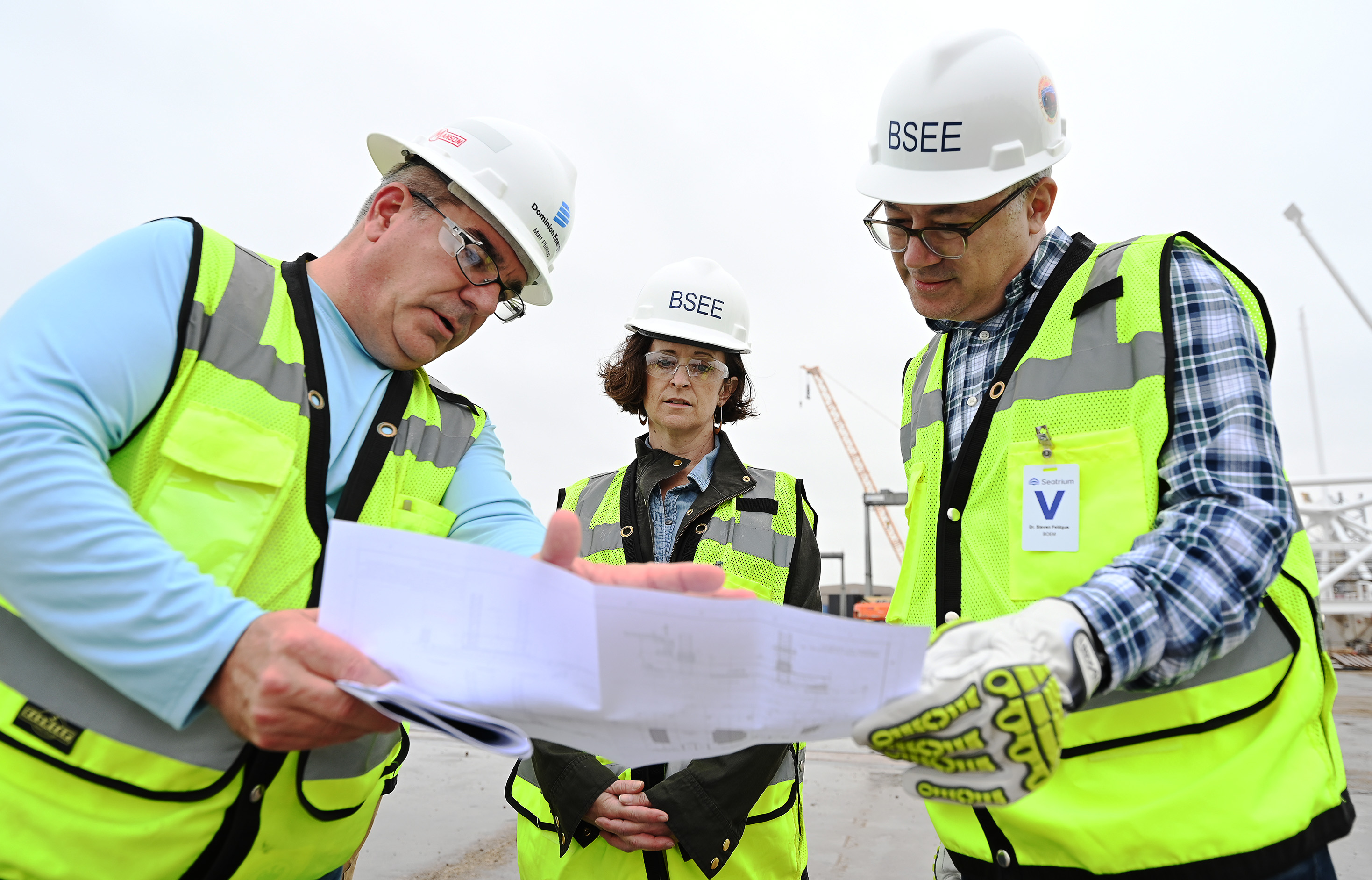
How Immersive Tech Is Transforming Safety, Sales, and Sustainability in Supply Chains
Engineering organisations often rely on outdated PowerPoints for communication and training, hindering safety, talent retention, and emission reductions. Immersive technologies like 3D platforms offer transformative benefits by enhancing safety, cutting costs, and facilitating scalable training, while significantly reducing carbon emissions. This shift is essential for modernising industry practices.
-

Intelligent Automation & Digital Workflows are Reinventing Supply Chain Sustainability
In a discussion with René Schrama of Peak Technologies, the importance of digitising workflows and embracing intelligent automation for supply chain resilience and sustainability was emphasised. These practices are essential for adapting to disruptions in global trade and ensuring long-term stability while enabling companies to operate more efficiently and environmentally responsibly.
-
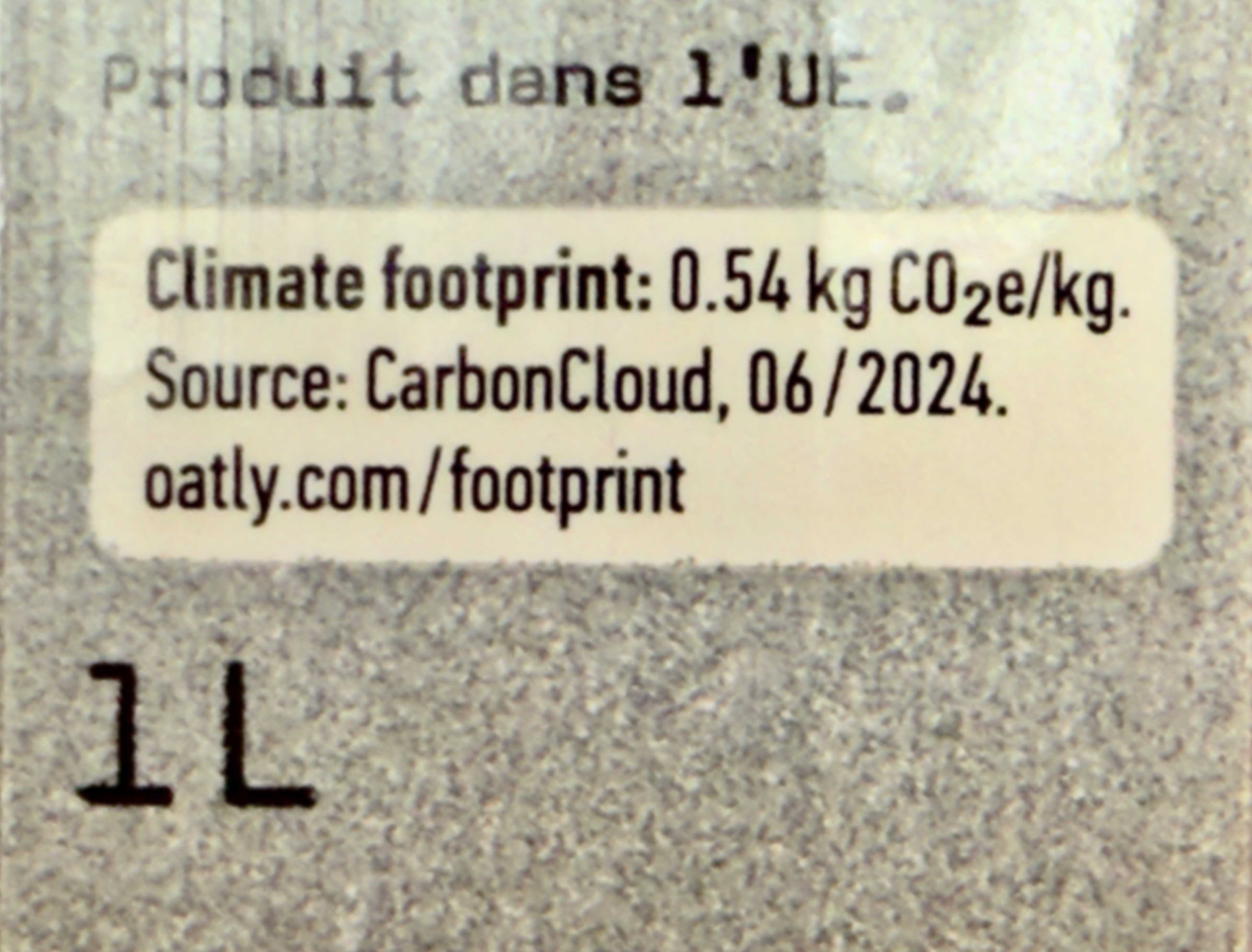
Why Real-Time Emissions Tracking Is the Missing Link in Product Carbon Footprinting
The Product Carbon Footprint (PCF) is emerging as a critical standard for manufacturers tackling emissions reduction. Traditional reliance on averages hampers effectiveness, while real-time, machine-level data offers precision. As regulatory demands increase, especially in the EU, smaller manufacturers require accessible, automated tracking systems to ensure compliance and gain competitive advantages.
-

Burned for Scrap: The Dark Afterlife of Our Electronics—and How to Fix It
E-waste, now the fastest-growing solid waste stream, poses significant environmental and health challenges. In 2022, over 62 million tonnes were generated, with only 17.4% recycled. Despite its complexity, e-waste also supports livelihoods in places like Ghana. Solutions lie in designing more repairable devices and fostering transparency in supply chains.
-

Sustainable Supply Chain Trends 2025: Insights from Industry Leaders
As 2024 ends, the urgency for sustainable supply chains grows, highlighting a shift towards data-driven decisions, collaboration, and circularity. Businesses must leverage data for impactful actions, enhance partnerships, and pivot to circular models. 2025 will demand accountability, transparency, and innovative technologies to foster sustainability and seize new growth opportunities.