
Category: Climate Change
-

1 in 4 New Cars Will Be Electric in 2025 – What This Means for Climate, Oil Demand, and Your Next Vehicle
The 2025 Global EV Outlook from the IEA highlights the significant transition towards electric vehicles (EVs), which are projected to account for 20 million sales globally. This shift is crucial for climate impacts, energy security, and economic viability, as EVs increasingly outperform internal combustion engines (ICE). Delays in adoption could result in higher costs and…
-

Why Solar Alone Isn’t Enough: What Spain’s Blackout Revealed About the Energy Transition
On April 28, 2025, a blackout in Spain and Portugal highlighted vulnerabilities in solar deployment, emphasizing the need for robust grid infrastructure. While solar energy is booming, efficiency gains must be complemented by support systems like batteries and advanced inverters to ensure stability. Future policies need to prioritize both innovation and resilience in energy systems.
-

IP Protection vs. Climate Crisis: Why Startups Can’t Afford to Wait
The Climate Confident podcast addresses the abrupt cancellation of the USPTO’s Climate Change Mitigation Pilot Program, crucial for expediting patent approvals for climate tech. This decision hampers innovation, as startups rely on swift IP protection. While the US faces setbacks, other nations maintain supportive IP frameworks, emphasizing the urgency for effective climate solutions through robust…
-
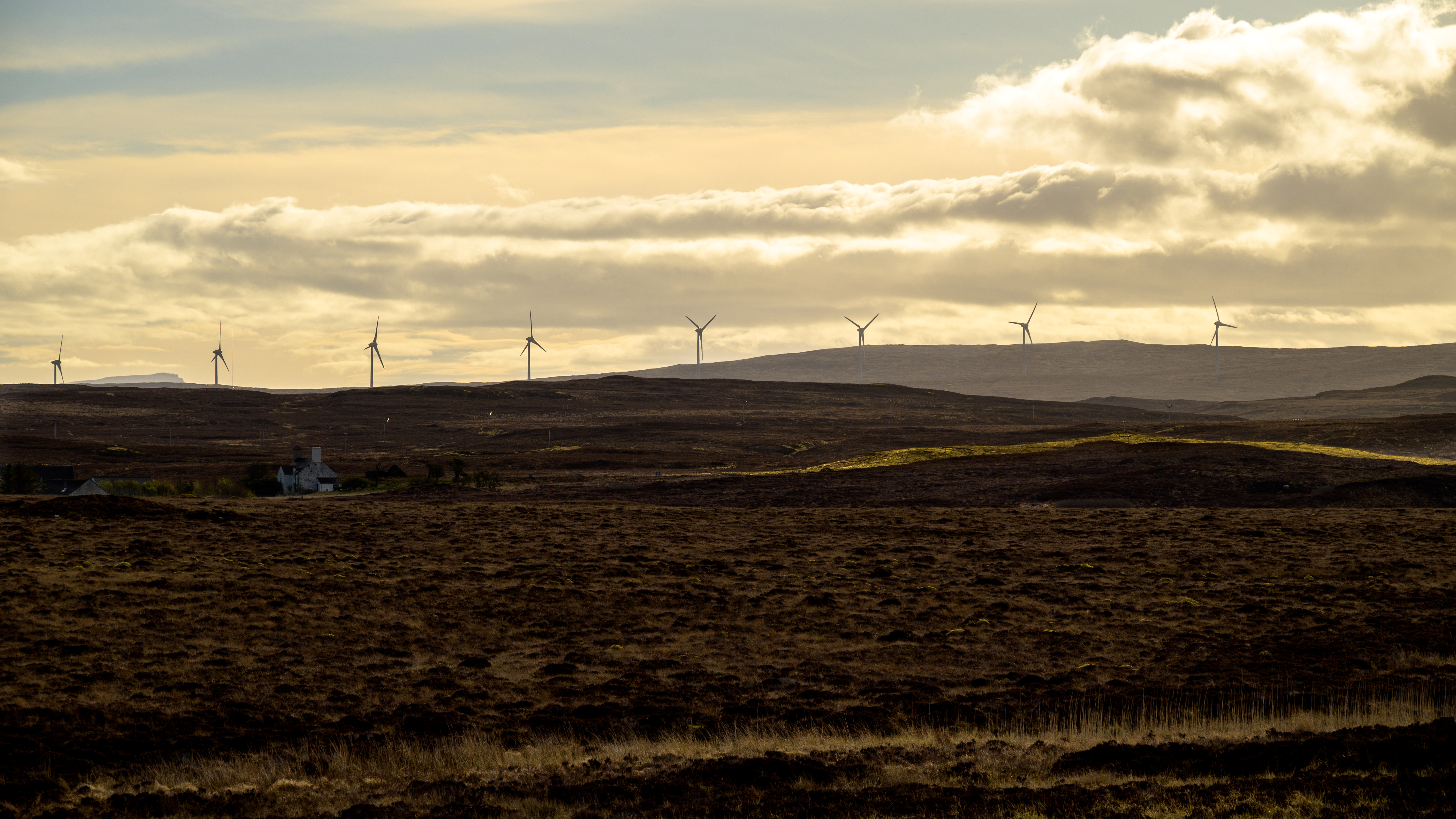
Nation-Scale Decarbonisation: Why the UK’s Energy Future Hinges on Storage, Grid Reform, and Community Buy-In
The UK’s ambitious goal of decarbonizing its national grid by 2030 faces significant challenges beyond just renewable energy deployment. Infrastructure, regulatory inertia, and stringent planning systems hinder progress. Effective battery storage, AI integration, and community engagement are crucial for overcoming these obstacles and achieving a cleaner, more reliable energy landscape.
-

Industrial Decarbonisation Could Be the Climate Win of the Decade – If We Get Serious!
Industrial decarbonisation is crucial for mitigating climate change, as major sectors account for 30% of global CO₂ emissions. Despite available technology, economic barriers hinder progress. Projects need investment and buyer demand to become viable. Policy measures, like mandates and standards, are essential to stimulate the necessary transformation in industrial practices.
-

The Energy Transition Is Unstoppable—But Are We Moving Fast Enough?
The global energy transition is accelerating as fossil fuels decline, driven by economic factors rather than solely political will. Key challenges include reliance on coal, the limitations of hydrogen and carbon capture, and the rising energy demands from AI. Urgent investments and infrastructure advancements are crucial for achieving climate goals.
-
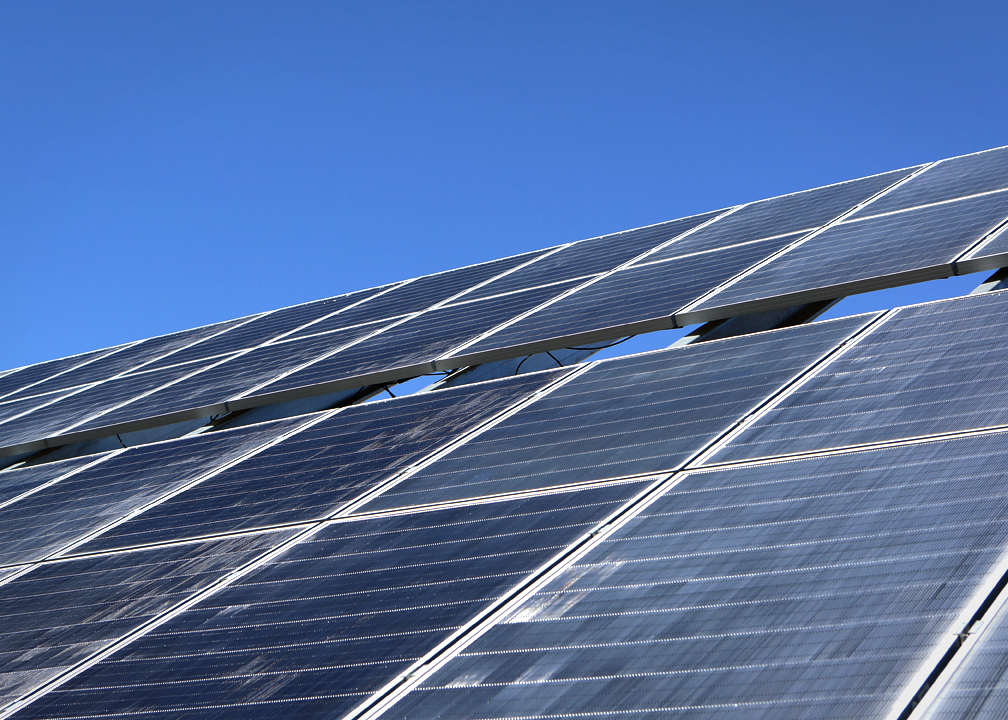
Why Microgrids Are the Future of Energy Systems and Driving the Energy Transition
As the global energy landscape shifts in response to the twin challenges of climate change and ageing infrastructure, microgrids are emerging as a critical solution. These self-contained energy systems, often powered by renewable sources like solar and supported by energy storage, are enhancing resilience, reducing emissions, and promoting energy sovereignty, especially for underserved communities. This…
-

Balancing the Grid: The Key to Unlocking 100% Renewable Energy
The article discusses the challenges of achieving 100% renewable energy due to grid flexibility issues as solar and wind power become more prevalent. It emphasises the need for advanced technologies, such as flexible engine power plants and battery storage, to maintain grid stability. Policy reforms are also vital for developing resilient energy systems.