
Author: Tom Raftery
-

The Supply Chain Blind Spot: Why IT Asset Management & Reverse Logistics Matter More Than Ever
Reverse logistics is often overlooked in businesses, leading to inefficient IT asset management and significant waste. As technology rapidly evolves, companies face increasing electronic waste and energy consumption from outdated equipment. Embracing reverse logistics through structured processes, AI, and automation can lead to cost savings, sustainability, and reduced regulatory risks, enhancing long-term value.
-
Decentralised Energy and Peer-to-Peer Trading: Why Utilities Need to Wake Up
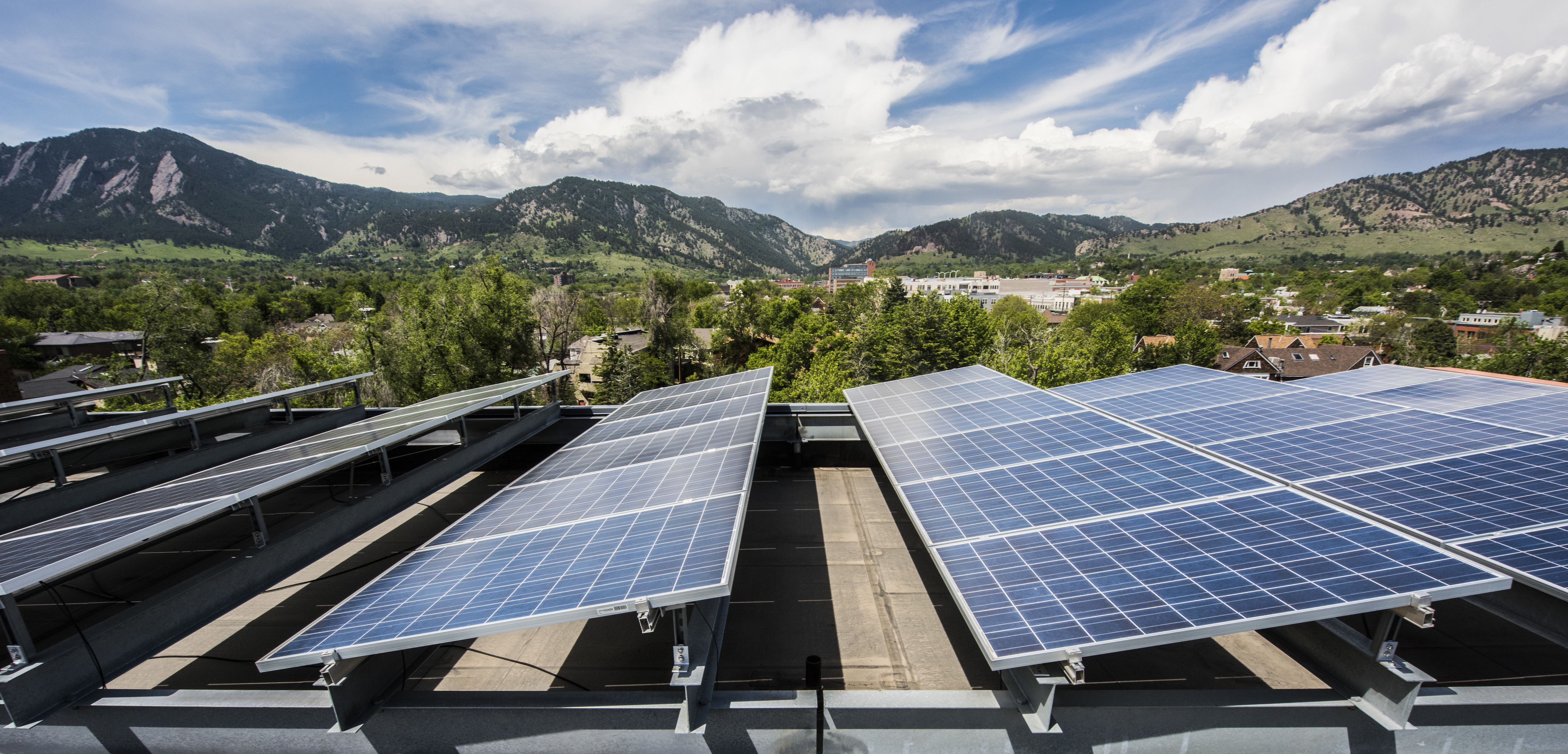
The traditional utility model is rapidly evolving due to decentralised energy and peer-to-peer (P2P) trading, where consumers are now both producers and sellers of electricity. As they seek local, renewable options, utilities must adapt or risk obsolescence. P2P trading facilitates efficient transactions and reduces grid strain, marking a shift toward dynamic energy markets.
-

Europe’s Energy Transition Is Happening Faster Than Anyone Expected—Here’s What’s Next
Europe’s energy transition is rapidly advancing, with renewables now providing nearly half of the continent’s electricity. Solar has surpassed coal, while gas declines. However, challenges like inadequate storage and outdated infrastructure threaten this momentum. Policy reforms are essential for continued progress, as Europe’s shift influences global energy dynamics significantly.
-

The Energy Transition Is Unstoppable—But Are We Moving Fast Enough?
The global energy transition is accelerating as fossil fuels decline, driven by economic factors rather than solely political will. Key challenges include reliance on coal, the limitations of hydrogen and carbon capture, and the rising energy demands from AI. Urgent investments and infrastructure advancements are crucial for achieving climate goals.
-
Why Microgrids Are the Future of Energy Systems and Driving the Energy Transition
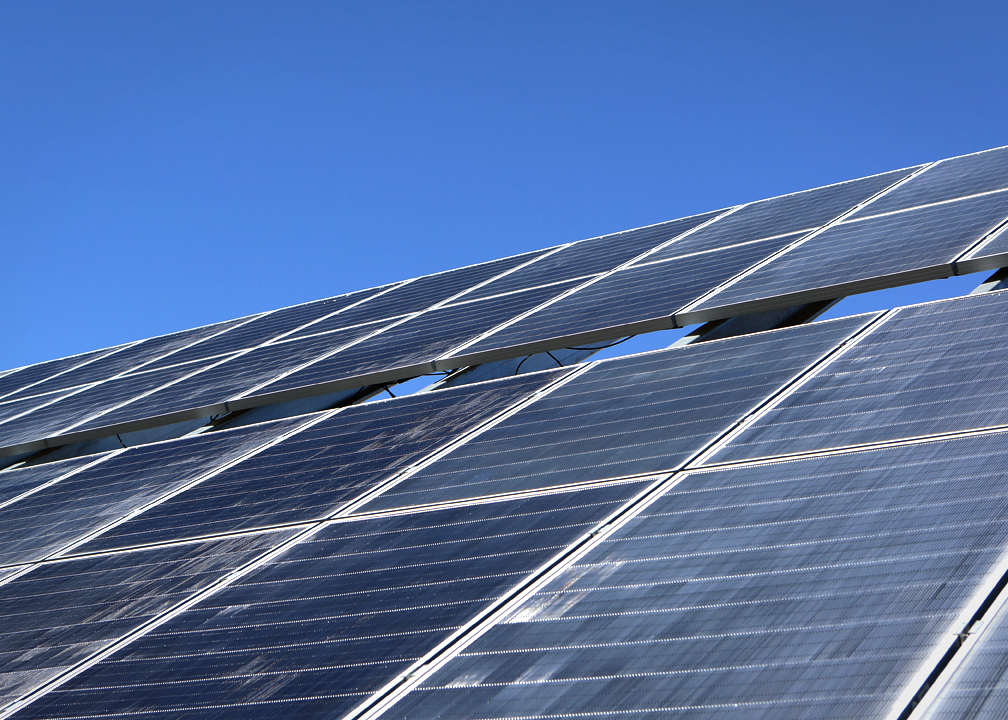
As the global energy landscape shifts in response to the twin challenges of climate change and ageing infrastructure, microgrids are emerging as a critical solution. These self-contained energy systems, often powered by renewable sources like solar and supported by energy storage, are enhancing resilience, reducing emissions, and promoting energy sovereignty, especially for underserved communities. This…
-

Balancing the Grid: The Key to Unlocking 100% Renewable Energy
The article discusses the challenges of achieving 100% renewable energy due to grid flexibility issues as solar and wind power become more prevalent. It emphasises the need for advanced technologies, such as flexible engine power plants and battery storage, to maintain grid stability. Policy reforms are also vital for developing resilient energy systems.
-
Sustainable Supply Chain Trends 2025: Insights from Industry Leaders
As 2024 ends, the urgency for sustainable supply chains grows, highlighting a shift towards data-driven decisions, collaboration, and circularity. Businesses must leverage data for impactful actions, enhance partnerships, and pivot to circular models. 2025 will demand accountability, transparency, and innovative technologies to foster sustainability and seize new growth opportunities.
-

Why Your Business Can’t Afford to Ignore Trustworthy Carbon Accounting
As sustainability becomes critical for businesses, accurate carbon accounting is essential to meet regulatory demands and customer expectations. Organizations must adopt new technologies, engage supply chains, and integrate carbon data into decision-making to build trust and drive emissions reductions. Solid carbon accounting enhances investor confidence, customer loyalty, and operational efficiency.