Category: Supply Chain
-

EUDR Compliance: How Accurate Data Can Make or Break Your Supply Chain
The European Union Deforestation Regulation (EUDR) poses challenges and opportunities for businesses. Compliance demands detailed knowledge of supply chains, and accurate data is crucial. Satellite imagery and machine learning offer high-precision monitoring to verify compliance and enhance supply chain resilience. Integrating sustainability into core business operations is crucial for strategic positioning and long-term benefits.
-

PFAS in Supply Chains: Health Risks, Regulations, and How to Stay Ahead
PFAS, or per- and polyfluoroalkyl substances, are a group of man-made chemicals that have been around since World War II. They’ve earned the nickname “forever chemicals” because they’re incredibly persistent in the environment and human bodies—meaning they don’t easily break down. While their unique properties, such as water and oil resistance, have made them highly…
-

How AI and Real-Time Data are Revolutionising Retail and CPG Supply Chains
Global supply chains are under pressure to reduce waste and improve sustainability. Real-time data sharing is crucial in achieving this goal and is exemplified by Crisp’s success in partnership with UNFI. Companies like Tesco and Walmart use real-time data to enhance forecasting, inventory management, and logistics, leading to significant waste reduction. Embracing data sharing is…
-

Why Ethical and Sustainable Supply Chains Are Crucial for Today’s Businesses
Ensuring ethical and sustainable supply chains has never been more critical. As global supply chains become increasingly complex, businesses face mounting pressure from consumers, regulators, and stakeholders to demonstrate responsible practices. In a recent episode of the Sustainable Supply Chain Podcast, I had the pleasure of discussing these challenges with JP Stevenson, Director of ESG…
-

AI Streamlining Business Processes and Promoting Sustainability
Artificial intelligence (AI) is revolutionizing business operations and sustainability efforts. In a discussion with aiOla’s CEO, Amir Haramaty, we explored how AI enhances speech-to-data conversion and optimizes processes in industries like logistics and pharmaceuticals. By reducing waste, optimizing resource use, and enabling more responsible practices, AI is shaping a sustainable future for businesses worldwide.
-
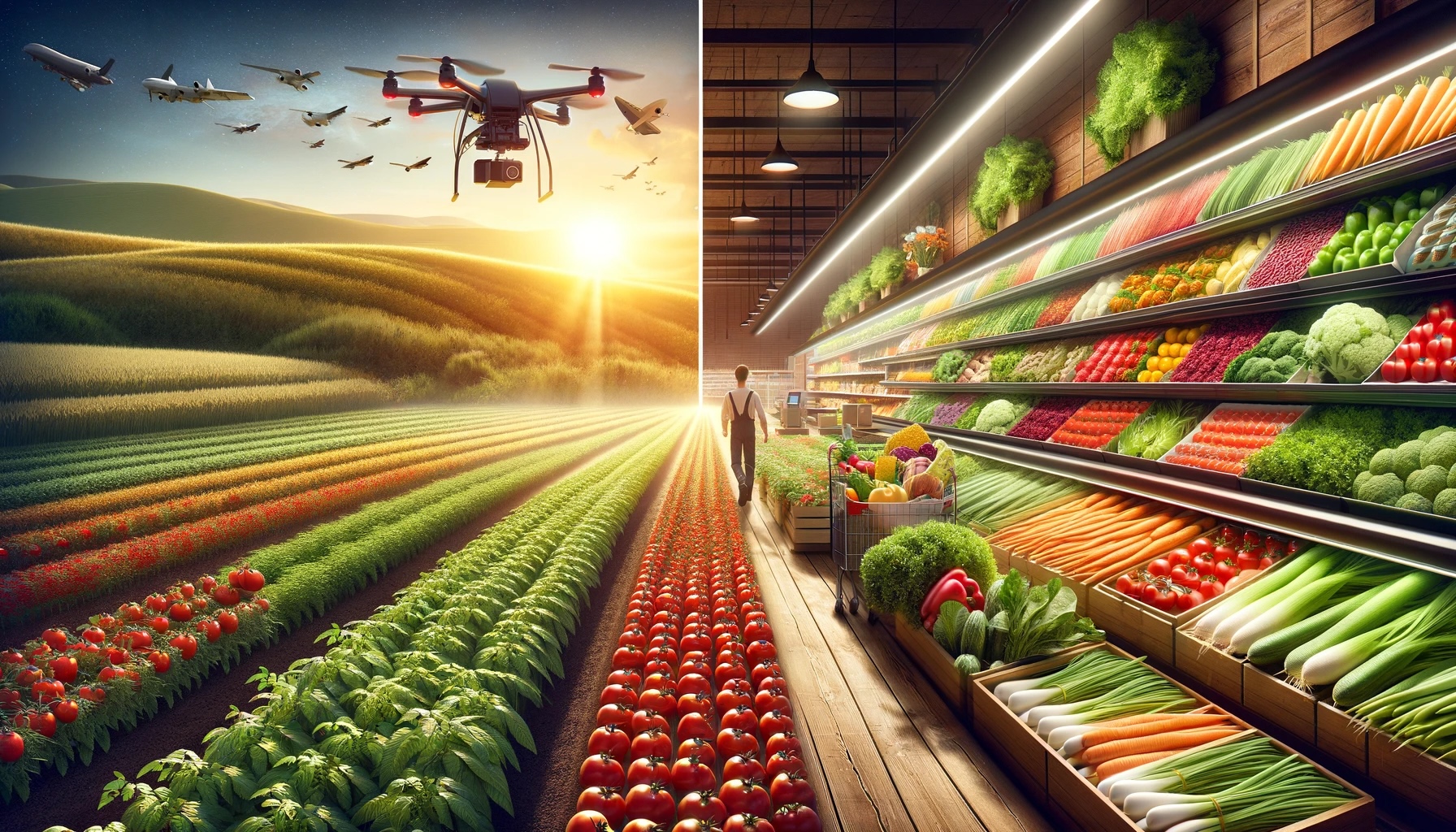
The Untapped Potential of Tech and Finance in Reducing Food Supply Chain Waste
The global food supply chain faces a critical challenge of inefficiency, leading to massive food waste and environmental impact. Pat McCullough, CEO of ProducePay, discusses on the Sustainable Supply Chain Podcast how integrating capital and technology can reduce waste. Implementing technological innovations and providing capital to farmers can increase profitability and decrease environmental impact.
-

Revolutionising Manufacturing: AI + IoT = The Sustainable Factory of Tomorrow
In today’s manufacturing landscape, the fusion of AI and IoT is revolutionizing operations. By leveraging predictive maintenance and real-time tracking, companies are boosting efficiency and reducing waste. Moreover, AIOT holds the key to sustainable practices, such as optimizing energy usage. Embracing these technologies can lead to a smarter, greener future for the manufacturing sector.
-
Sustainability as Strategy: Leveraging Environmental Goals for Competitive Advantage
In an era where environmental concerns are increasingly becoming front and centre for businesses globally, the strategic importance of sustainability cannot be overstated. The conversation around sustainability has evolved from being primarily a discourse on corporate social responsibility to a critical business imperative. This shift is underpinned by the growing recognition of the need to…